Dog Skin Allergies: Complete Guide to Symptoms, Causes, and Treatment
Skin allergies affect millions of dogs worldwide, causing persistent itching, irritation, and discomfort that impacts their quality of life. This guide helps pet owners identify common allergic reactions, understand treatment options, and implement management strategies for long-term skin health.

Few things are more heartbreaking for a pet owner than watching their furry companion suffer from persistent itching and discomfort. If you have noticed your pup constantly licking their paws or scratching their ears, you are likely dealing with dog skin allergies, a condition that affects a significant percentage of the canine population. Understanding the nuances of these allergic reactions is the first step toward providing much-needed relief and improving your dog's overall quality of life.
Common Allergens that Trigger Skin Reactions in Dogs
Allergies occur when a dog's immune system overreacts to a normally harmless substance. These triggers, known as allergens, can be found almost anywhere in a dog's environment. According to the Cornell Riney Canine Health Center, the most common allergens fall into three primary categories: fleas, environmental factors, and food.
Flea Allergy Dermatitis (FAD) is perhaps the most prevalent skin condition in dogs. It is not the flea bite itself that causes the reaction, but rather the saliva injected into the skin during the bite. For a sensitive dog, a single flea bite can trigger a cascade of intense itching that lasts for days. This often results in hair loss and red, crusty skin, particularly around the base of the tail and the inner thighs.
Environmental allergens, often referred to as atopy, include substances like pollen, mold spores, dust mites, and animal dander. These allergens can be seasonal, such as ragweed in the autumn, or perennial, such as dust mites living in your carpet. Unlike humans, who often experience "hay fever" with sneezing and watery eyes, dogs primarily manifest these allergies through their skin.
Food allergies are less common than environmental or flea-related triggers but are often more frustrating to diagnose. These are typically reactions to specific proteins in the diet, such as beef, chicken, dairy, or wheat. When a dog has a food sensitivity, the skin reactions are often accompanied by gastrointestinal upset, though skin issues like chronic ear infections and itchy paws remain the hallmark signs.
Visual Identification Guide for Canine Skin Conditions
Identifying the specific nature of your dog's discomfort is essential for effective management. While many skin issues look similar to the untrained eye, there are specific patterns associated with various canine skin conditions. The American Kennel Club (AKC) notes that "hot spots"-red, moist, and inflamed areas-are a frequent secondary symptom of underlying allergies where the dog has chewed an area until the skin breaks.
When observing your pet, look for these common dog allergy symptoms: * **Redness and Inflammation:** Often found between the toes, on the underbelly, and inside the ear flaps. * **Chronic Ear Infections:** If your dog is constantly shaking their head or if their ears have a yeasty odor, allergies are a likely culprit. * **Hyperpigmentation:** Over time, chronic scratching causes the skin to thicken and turn dark gray or black, a condition often called "elephant skin." * **Saliva Staining:** Dogs that lick their paws excessively will often have rust-colored or brownish staining on their fur due to enzymes in their saliva.
It is important to differentiate these from other issues like mange or fungal infections. If the irritation is concentrated solely on the back and tail base, flea allergies are the primary suspect. If the face, paws, and armpits are the main areas of concern, you are likely looking at atopic dermatitis.
Essential Strategies for Dog Health and Medical Treatment
When home remedies aren't enough, professional intervention is necessary to maintain optimal [Dog Health](https://lovingpawshub.com/articles/dog-health). Veterinary medicine has advanced significantly in recent years, offering targeted therapies that provide relief without the heavy side effects of older medications.
One of the most common diagnoses is dog allergic dermatitis. To treat this, veterinarians often utilize "biological" therapies such as Cytopoint, an injectable antibody that blocks the itch signal before it reaches the brain. Another popular option is Apoquel, a daily tablet that targets the signaling pathways involved in inflammation and itching. These modern treatments have largely replaced the long-term use of steroids, which, while effective, can cause side effects like excessive thirst, urination, and increased appetite.
For atopic dermatitis dogs, immunotherapy (often called allergy shots or oral drops) is considered the gold standard for long-term management. This process involves identifying specific allergens through blood or skin testing and then gradually exposing the dog's immune system to tiny amounts of those substances. Over time, this desensitizes the dog, reducing the severity of their reactions. VCA Hospitals emphasizes that while immunotherapy requires patience-sometimes taking six to twelve months to show results-it is one of the few treatments that addresses the root cause rather than just the symptoms.
Home Care Strategies and Dog Itching Treatment
While medical intervention is crucial, what you do at home can make a significant difference in your dog's comfort levels. An effective dog itching treatment plan often begins with topical therapy. Regular bathing with medicated shampoos containing ingredients like oatmeal, aloe vera, or hydrocortisone can soothe inflamed skin and wash away surface allergens like pollen and dust.
In addition to baths, foot soaks are incredibly effective for dogs that suffer from "itchy paws" after walks. Simply dipping your dog’s paws in a basin of cool water with a small amount of povidone-iodine or a gentle pet-safe cleanser can remove allergens before they have a chance to penetrate the skin barrier.
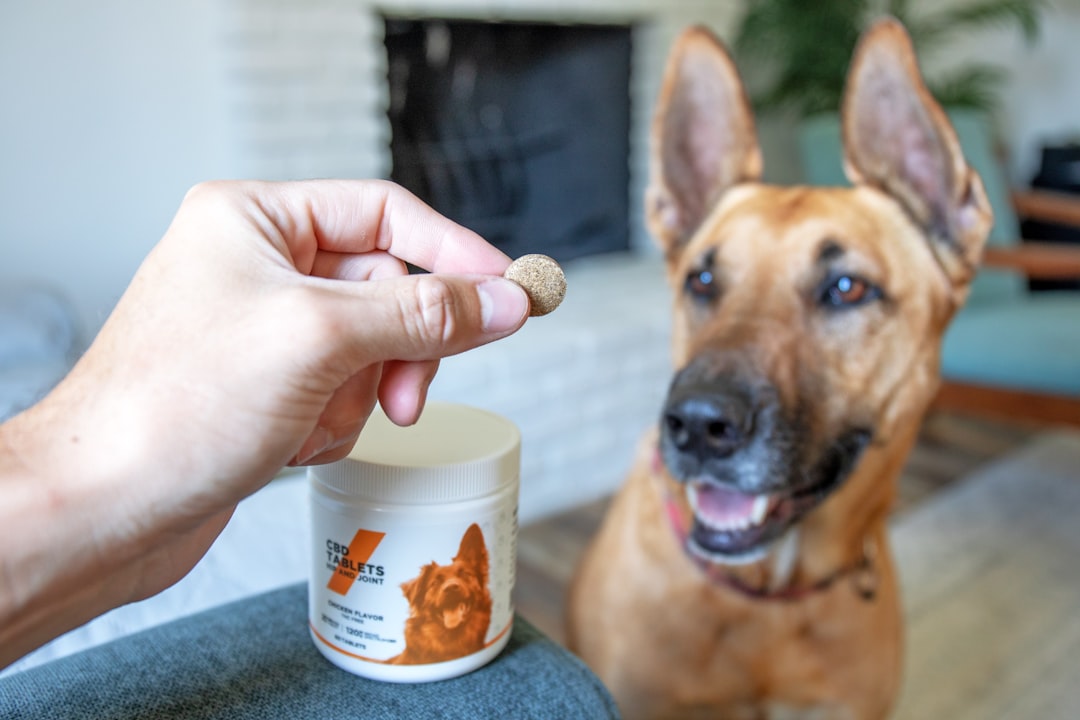
Supplementation also plays a vital role. Omega-3 fatty acids, typically derived from fish oil, are renowned for their anti-inflammatory properties. These supplements help bolster the skin's natural moisture barrier, making it less permeable to environmental triggers. However, always consult your vet before adding new supplements to ensure they are appropriate for your dog's specific needs and won't interfere with other medications.
Hypoallergenic Diet and Nutritional Management
If a food allergy is suspected, your veterinarian will likely recommend an elimination diet trial. This is the only definitive way to diagnose food-related skin issues. During a trial, which usually lasts 8 to 12 weeks, the dog must eat a "novel protein" source (one they have never had before, like kangaroo or venison) or a hydrolyzed protein diet where the protein molecules are broken down so small that the immune system doesn't recognize them.
Focusing on [proper dog nutrition](https://lovingpawshub.com/articles/dog-nutrition) is essential during this time. You must be extremely vigilant, as even a single flavored heartworm tablet or a small piece of chicken can ruin the results of the trial. If the dog's skin clears up during the trial and flares up again when their old food is reintroduced, a food allergy is confirmed.
Managing a dog's diet isn't just about what you take away, but also what you add. High-quality diets rich in vitamins E and B, zinc, and linoleic acid support skin repair and coat health. Many pet owners find that switching to a limited-ingredient diet helps simplify the management of chronic skin conditions.
Environmental Management and Prevention Techniques
Prevention is the final piece of the puzzle. While you cannot change your dog’s genetics, you can modify their environment to reduce allergen exposure. High-efficiency particulate air (HEPA) filters can help remove dust and pollen from your home's air, providing a "safe zone" for your pet.
The ASPCA recommends regular vacuuming and washing your dog's bedding in hot, fragrance-free water at least once a week to kill dust mites. If your dog is allergic to grass or pollen, try to keep them indoors when pollen counts are highest, typically in the early morning and late evening. Keeping your lawn mowed short can also reduce the amount of pollen and parasites your dog encounters in the yard.
Finally, year-round flea prevention is non-negotiable for any dog with skin sensitivities. Even in colder climates, fleas can survive indoors, and for a dog with flea allergy dermatitis, a single lapse in prevention can lead to weeks of misery. Consistency is the hallmark of successful allergy management.
Managing skin allergies in dogs is often a marathon, not a sprint. By combining veterinary expertise with diligent home care and environmental control, you can significantly reduce your dog’s itching and help them get back to their happy, playful selves. While allergies may never be fully "cured," they can certainly be managed effectively with the right tools and knowledge.
Sources
Reviewed by Melissa Schalles, LVT