
Dog Separation Anxiety: Signs, Causes, and Treatment Solutions
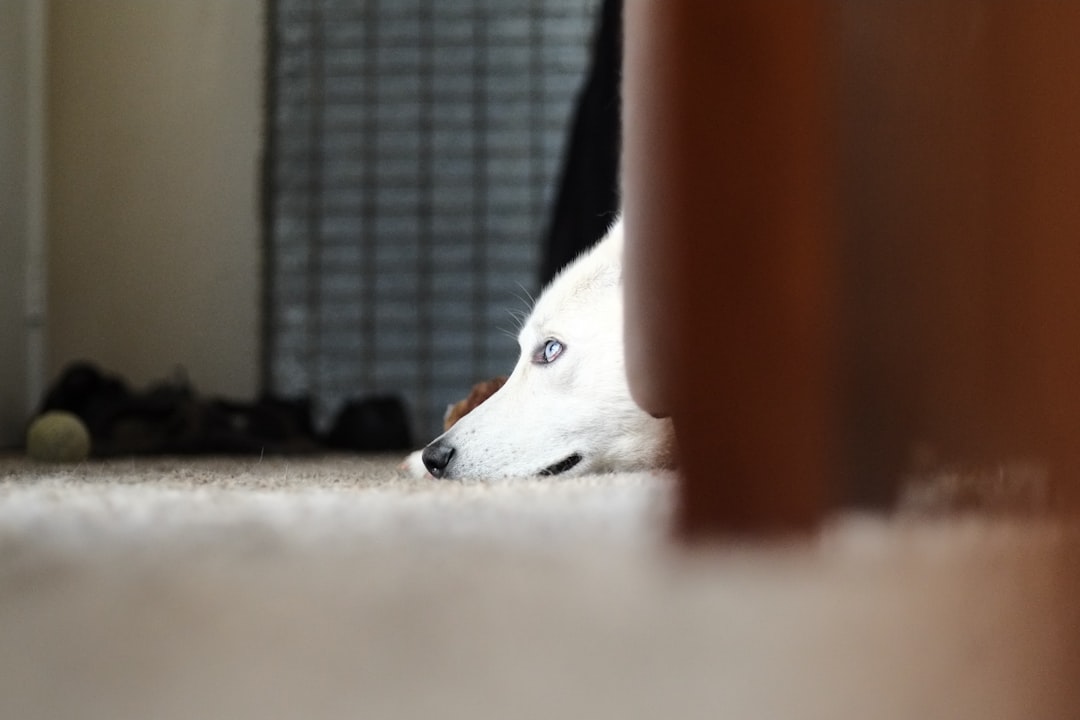
Key Takeaways
- Identifying separation anxiety symptoms versus normal behavior
- Root causes and risk factors for developing separation anxiety
- Behavioral modification techniques and desensitization training
- Environmental changes and tools to reduce anxiety
- When to consult a veterinary behaviorist or consider medication
Coming home should be the best part of your day, but for many pet owners, the sight of a chewed-up door frame or a neighbor's complaint about non-stop howling turns that joy into stress. If your pet exhibits distress when you prepare to leave, they may be suffering from dog separation anxiety, a common yet heartbreaking condition where a dog experiences a full-blown panic attack in their owner's absence. Understanding this condition is the first step toward restoring peace to your household and ensuring your companion feels safe and secure even when you are away.
In this guide, we will dive deep into how to recognize the signs, understand the biological and environmental triggers, and implement effective solutions that prioritize your pet's well-being. By combining behavioral science with a compassionate approach, we can help your dog navigate their fears and improve their overall quality of life.
Identifying Separation Anxiety Symptoms Versus Normal Behavior
It is easy to mistake a dog's "naughty" behavior for simple boredom or a lack of training, but true separation anxiety is a psychological distress response. According to experts at VCA Hospitals, separation anxiety occurs when a dog becomes overly attached or dependent on family members and experiences extreme distress when separated from them.
The most common separation anxiety symptoms include excessive vocalization (howling, barking, or whining), inappropriate elimination in the house, and destructive behavior. However, the key differentiator is the timing. If your dog only has accidents or chews the furniture when you are gone-and specifically near exit points like doors or windows-it is likely anxiety-related rather than a house-training issue.
Other subtle signs include "velcro" behavior, where the dog follows you from room to room, and intense "greeting rituals" where the dog remains hyper-excited for long periods after you return. You might also notice physiological signs of distress before you even leave, such as pacing, panting, or drooling. While a bored dog might chew a shoe because it's available, an anxious dog often engages in dog destructive behavior that can result in self-injury, such as broken teeth or bloody paws from trying to escape a crate or room. Distinguishing these signs is vital because a bored dog needs more exercise or a tougher toy, whereas an anxious dog needs a comprehensive behavior modification plan.
Root Causes and Risk Factors for Developing Separation Anxiety
Why do some dogs develop this condition while others are perfectly content to nap while their owners are at work? There is rarely a single cause, but researchers at Cornell University's College of Veterinary Medicine point to several common risk factors. Genetics can play a role, as some breeds or individual lines may be more predisposed to anxiety. However, environmental changes are often the primary trigger.
A sudden change in the household routine is a frequent culprit. For example, if a dog was used to a "work-from-home" schedule that suddenly shifted to an eight-hour office day, the abrupt loss of companionship can trigger a panic response. Similarly, a move to a new home or the loss of a family member-whether human or another pet-can destabilize a dog's sense of security.
Shelter or rescue dogs are also statistically more likely to experience separation distress. The trauma of being abandoned or moving through multiple homes can create a deep-seated fear that when their new owner leaves, they aren't coming back. Understanding these root causes helps owners approach the problem with empathy. It isn't that your dog is trying to "get back at you" for leaving; they are genuinely terrified. Addressing their underlying dog health involves looking at both their mental and physical state to ensure they have the resilience to handle solitude.
Behavioral Modification Techniques and Training for Dog Health
The gold standard for treating separation distress is a combination of desensitization and counter-conditioning. Because this condition is rooted in fear, the goal of training is to change the dog's emotional response to being alone. This is a critical component of maintaining long-term dog health and a happy household.
Desensitization involves identifying the "departure cues" that trigger your dog's anxiety before you even walk out the door. These might include the sound of your keys jingling, putting on your coat, or picking up your briefcase. To break this association, perform these actions frequently without actually leaving. Pick up your keys and sit on the couch to watch TV. Put on your coat and go into the kitchen to make dinner. Eventually, these cues will lose their meaning, and your dog will stop ramping up their anxiety levels before you leave.
Counter-conditioning focuses on creating a positive association with your departure. The American Kennel Club (AKC) recommends providing a high-value treat-like a puzzle toy stuffed with peanut butter-that the dog only gets when you are leaving. This shifts the internal monologue from "Oh no, they're leaving!" to "Great, I get my favorite snack!" It is essential to start with very short absences-sometimes just a few seconds behind a closed door-and gradually increase the duration as your dog remains calm. For more complex behavioral issues, following a structured dog training program can provide the consistency your pet needs to succeed.
Environmental Changes and Tools to Reduce Anxiety
While training is the foundation of recovery, environmental management can provide immediate relief and set your dog up for success. When leaving your dog alone, their environment should feel like a safe, comforting sanctuary rather than a place of isolation or confinement.
Start by ensuring your dog has had plenty of physical exercise and mental stimulation before you depart. A tired dog is much more likely to rest than an anxious one. Beyond physical activity, consider the role of nutrition; while dog nutrition primarily focuses on physical growth, some calming supplements containing L-theanine or calming pheromones can support a relaxed state of mind.
The use of "white noise" or calming music designed specifically for canines can help mask outside sounds that might startle an anxious dog. Additionally, limit their view of the outdoors if they are prone to "barrier frustration" or "window barking." Using window film or closing the blinds can create a more secluded, quiet atmosphere. Interactive toys are also vital tools. By engaging your dog's brain in a task, you redirect their focus away from your absence. However, ensure the toys are safe to be used unsupervised to prevent any choking hazards.
When to Consult a Professional and Use Anxiety Medication Dogs
In moderate to severe cases, behavioral modification and environmental changes may not be enough on their own. If your dog is injuring themselves, causing significant property damage, or showing signs of extreme physiological distress, it is time to consult a veterinarian or a board-certified veterinary behaviorist.
A professional can help determine if an anxiety medication dogs can benefit from is necessary to lower the "threshold" of their panic. As the American Veterinary Medical Association (AVMA) notes, medication is not a "magic pill" that fixes the behavior, but rather a tool that allows the dog to remain calm enough for the training to actually work. If a dog is in a state of constant panic, they are incapable of learning new behaviors.
There are various types of dog anxiety treatment options available, ranging from daily medications that balance brain chemistry to short-acting "situational" medications used specifically for departures. Your vet will look at your dog's full medical history to ensure the chosen treatment is safe. Remember, using medication is not a failure of ownership; it is a compassionate way to treat a clinical medical condition, much like treating a physical injury.
Managing separation anxiety requires patience, consistency, and a deep well of empathy for your furry friend. While there is no overnight fix, most dogs can make significant progress with the right combination of training, environmental support, and professional guidance. By focusing on your dog's emotional security, you can help them transform from a panicked pup into a confident companion who knows that while you may leave, you will always come back home.
Frequently Asked Questions
What are the symptoms of separation anxiety in dogs?
Common symptoms include excessive vocalization, inappropriate elimination, and destructive behavior.
What causes dogs to develop separation anxiety?
It can be caused by genetics, environmental changes, and a sudden shift in household routine.
When should I seek help for my dog's anxiety?
Consult a veterinary behaviorist if symptoms persist or worsen despite behavioral modifications.
Related Articles
Sources
Reviewed by Melissa Schalles, LVT