
Senior Dog Care: Recognizing and Managing Age-Related Changes
Key Takeaways
- Normal aging changes vs warning signs of health problems in senior dogs
- Common age-related conditions like arthritis, cognitive decline, and organ dysfunction
- Nutritional adjustments and supplements beneficial for aging dogs
- Exercise modifications and physical therapy options for senior dogs
- Creating a comfortable environment and end-of-life care considerations
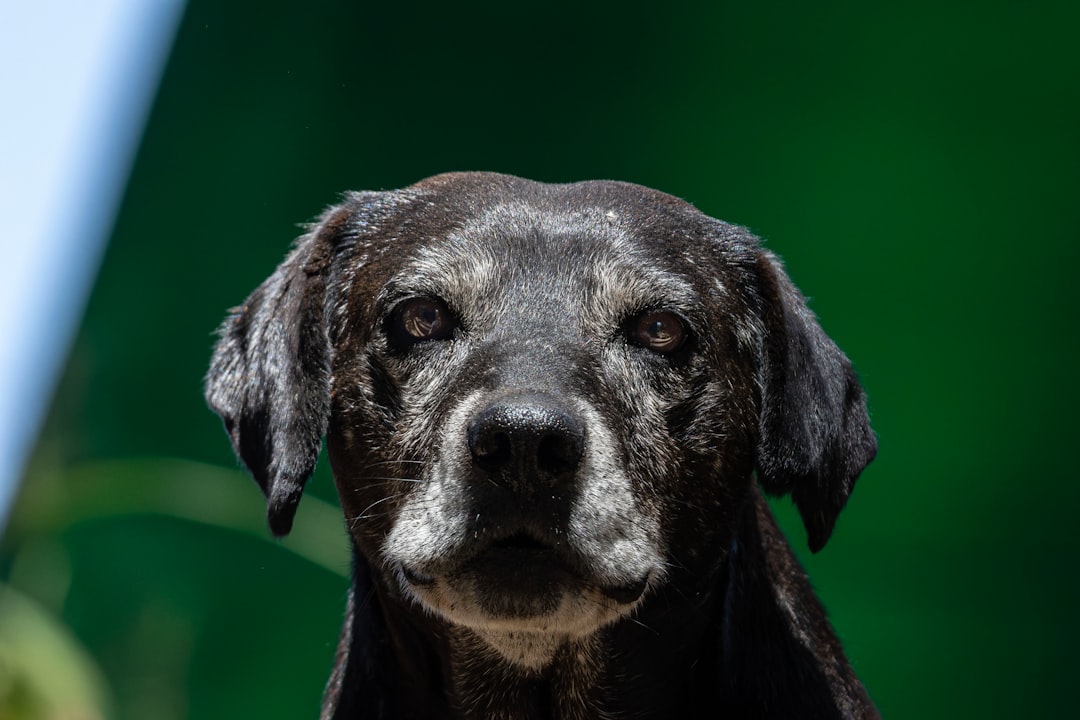
Watching a beloved companion transition into their golden years is a rewarding experience, yet it often brings a unique set of senior dog health issues that require a shift in how we provide care. While we might notice a few gray hairs around the muzzle or a slower pace on morning walks, the biological changes occurring under the surface are complex. Understanding these shifts is the first step in ensuring your pet remains comfortable, mobile, and mentally sharp for as long as possible. By staying proactive and attentive, you can help your aging friend navigate this stage of life with dignity and comfort.
Normal Aging Changes vs Warning Signs of Dog Health Problems
It can be difficult for many owners to distinguish between the natural slowing down of a pet and the early onset of illness. In the realm of dog health, subtle cues are often the only indicators we receive before a condition becomes serious. Normal aging generally involves a gradual decrease in energy levels, a slightly reduced interest in high-intensity play, and a need for more sleep. You might also notice a mild cloudiness in the eyes, known as nuclear sclerosis, which is a normal hardening of the lens that usually does not significantly impair vision.
However, certain aging dog symptoms should never be dismissed as just "getting old." According to the AKC, sudden or severe changes in behavior, appetite, or mobility warrant an immediate veterinary consultation. For instance, if your dog is suddenly drinking excessive amounts of water or having accidents in the house, this could point to diabetes, kidney disease, or Cushing's disease rather than simple old age. Similarly, while a senior dog may be less enthusiastic about a three-mile run, they should still be able to stand up and walk without visible distress. Persistent limping, difficulty rising from a nap, or a refusal to climb stairs are often signs of pain that require medical intervention.
Another area to watch is sensory perception. While a slight decline in hearing or vision is common, complete disorientation or a sudden loss of sight is not a standard part of the aging process. If your dog begins bumping into furniture or fails to recognize familiar people, it is time to investigate potential underlying causes with your veterinarian. Maintaining a regular schedule of bi-annual checkups is essential for catching these issues early, as many geriatric conditions are much easier to manage when identified in their initial stages.
Common Senior Dog Health Issues and Conditions
As dogs age, their organ systems and musculoskeletal structures begin to show wear and tear. One of the most prevalent old dog health problems is osteoarthritis. This degenerative joint disease affects a vast majority of senior canines, causing chronic pain and reduced mobility. VCA Hospitals notes that because dogs are masters at hiding discomfort, owners often miss the early signs of joint pain, such as a "bunny hop" gait or a reluctance to jump onto the couch. Managing this condition usually involves a multi-modal approach, including weight management, anti-inflammatory medications, and environmental modifications.
Beyond physical mobility, cognitive health is a major concern for aging pets. Canine Cognitive Dysfunction (CCD), which is often compared to Alzheimer's in humans, can lead to confusion, changes in sleep-wake cycles, and irritability. You might notice your dog staring into corners or getting "stuck" behind doors. This decline in mental clarity is a significant part of geriatric dog care that requires patience and often medical support to maintain the dog's quality of life.
Organ dysfunction also becomes more common in the later years. The kidneys, liver, and heart are under constant pressure throughout a dog's life, and by the senior stage, they may begin to fail. According to the Riney Canine Health Center at Cornell University, heart disease and chronic kidney disease are leading health concerns for older dogs. Signs like a persistent cough, fainting spells, or a change in breath odor should be discussed with a professional. Regular blood work and urinalysis during vet visits are the best tools for monitoring these internal systems and adjusting treatments as needed.
Proactive Strategies for Optimal Dog Health in Senior Years
Maintaining optimal dog health as your pet ages requires a shift from reactive care to proactive management. This means looking at the "whole dog" and addressing their physical, nutritional, and mental needs simultaneously. One of the most impactful things an owner can do is maintain a lean body weight. Obesity is a major stressor on aging joints and can exacerbate heart and respiratory issues. Even a few extra pounds can significantly decrease the lifespan and comfort of a senior pet.
Dental health is another often overlooked aspect of senior care. Periodontal disease is not just about bad breath; it is a source of chronic infection that can spread bacteria to the heart valves and kidneys. Regular professional cleanings and daily at-home brushing can prevent systemic inflammation and keep your dog feeling their best. Additionally, keeping a close eye on any new lumps or bumps is vital. While many growths in senior dogs are fatty lipomas (benign), others can be malignant. Tracking the size, shape, and texture of any new growths allows your vet to make informed decisions about biopsies or removals.
The bond between a senior dog and their owner is incredibly strong, and maintaining a routine is a great way to provide security. Older dogs often deal with increased anxiety as their senses fade. Keeping feeding, walking, and bedtime schedules consistent can help reduce stress and prevent behavioral issues. By combining medical vigilance with a stable environment, you provide a foundation for your dog to thrive well into their teens.
Nutritional Adjustments and Senior Dog Nutrition
Dietary needs change as metabolism slows and the body’s ability to process certain nutrients shifts. Senior dog nutrition is not a one-size-fits-all approach, but there are general principles that benefit most aging canines. Most senior-specific diets are formulated with lower calorie counts to prevent weight gain, but they often include higher levels of high-quality, easily digestible protein to help maintain muscle mass. Sarcopenia, or age-related muscle wasting, is a common issue that can lead to weakness and instability.
Incorporating specific supplements can also make a world of difference. Omega-3 fatty acids, often derived from fish oil, are excellent for reducing systemic inflammation and supporting both joint and brain health. Glucosamine and chondroitin are the gold standards for joint support, helping to maintain cartilage health and improve mobility. If you are looking for more specific information on ingredients, you can explore our guide on dog nutrition to better understand how various components impact health.
Hydration is equally important. Senior dogs are more prone to dehydration, especially if they have underlying kidney issues or are on certain medications like diuretics. Ensure your dog has easy access to fresh water at all times. Some owners find that switching to wet food or adding water to kibble helps increase fluid intake. Always consult your veterinarian before making major dietary changes, as certain conditions like heart disease or kidney failure require very specific prescription diets to manage electrolyte and protein levels safely.
Exercise Modifications and Physical Therapy for Elderly Dog Care
Just because a dog is older does not mean they should stop moving. In fact, consistent, low-impact exercise is vital for maintaining joint lubrication and muscle tone. Elderly dog care should prioritize "quality over quantity" when it comes to physical activity. Instead of one long, strenuous hike, consider three or four short, leisurely walks throughout the day. This keeps the joints moving without causing excessive fatigue or soreness.
Walking on soft surfaces like grass or sand is often easier on an old dog's paws and joints than hard pavement. If your dog has significant mobility issues, swimming or hydrotherapy can be an excellent way to provide cardiovascular exercise without any weight-bearing stress. Many veterinary specialty centers now offer physical therapy, which can include therapeutic massage, laser therapy, and specific stretching exercises designed to alleviate pain and improve range of motion.
Mental exercise is just as important as physical movement. Senior dogs still need engagement to keep their brains sharp. You can modify dog training sessions to focus on low-impact tricks or scent-based games. Hide-and-seek with treats or using puzzle toys can provide hours of mental stimulation that doesn't require physical exertion. Keeping their minds active can actually help slow the progression of cognitive decline and keep your dog feeling connected to their environment.
Geriatric Dog Care: Environmental Comfort and Quality of Life
As your dog enters the geriatric phase, their home environment may need a few upgrades to accommodate their changing physical abilities. Geriatric dog care often involves making the home more "senior-friendly" to prevent injuries and increase comfort. For example, hardwood or tile floors can be incredibly slippery for a dog with weak hind legs. Placing non-slip rugs or yoga mats along common walking paths can give them the traction they need to move confidently.
Orthopedic beds are another essential investment. These beds provide extra support for aching joints and help prevent pressure sores in dogs who spend a lot of time lying down. Consider placing multiple beds throughout the house so your dog always has a comfortable spot nearby. Additionally, ramps or "pet stairs" can help smaller or arthritic dogs reach the sofa or bed without the jarring impact of jumping. According to PetMD, keeping your dog's environment warm is also helpful, as older dogs have a harder time regulating their body temperature and cold weather can make joint stiffness worse.
Elevated food and water bowls can also make a difference, especially for dogs with neck or back pain. Raising the bowls to chest height allows them to eat and drink without straining their spine. Finally, consider the accessibility of your yard. If there are steep stairs to get outside, a temporary ramp can make potty breaks much easier and less painful for your pet.
Navigating the End-of-Life Journey
Perhaps the most difficult part of caring for a senior pet is recognizing when their quality of life has diminished to the point where palliative care or euthanasia must be considered. This stage of the journey is about comfort, love, and dignity. Many owners use "Quality of Life" scales to objectively track their dog's good days versus bad days. These scales typically look at factors like appetite, hydration, hygiene, mobility, and happiness.
Hospice care for dogs, often called "pawspice," focuses on managing pain and providing emotional support in the final weeks or months. This may include more frequent medication adjustments, subcutaneous fluids, or simply ensuring the dog is surrounded by their favorite things. When the time comes to say goodbye, many veterinarians offer in-home euthanasia services, allowing your pet to pass peacefully in a familiar, stress-free environment. While it is a heartbreaking time, providing a gentle end is the final act of love we can offer our faithful companions.
Caring for an aging pet is a journey that requires patience, observation, and a willingness to adapt. By focusing on regular veterinary care, tailored nutrition, and a comfortable home environment, you can ensure your dog's senior years are filled with comfort and joy. Remember that every dog ages differently, so stay attuned to your pet's specific needs and celebrate the slow, quiet moments that define this special stage of life.
Frequently Asked Questions
What are normal aging changes in senior dogs?
Normal aging includes a decrease in energy, reduced interest in play, and increased sleep.
When should I take my senior dog to the vet?
You should consult a vet for sudden or severe changes in behavior, appetite, or mobility.
What common conditions affect aging dogs?
Common issues include arthritis, cognitive decline, diabetes, and kidney disease.
How can I modify my dog's exercise routine?
Adjust exercises to their ability, incorporating gentle activities like short walks and stretching.
Related Articles
Sources
Reviewed by Melissa Schalles, LVT