
Hip Dysplasia in Dogs: Early Signs, Treatment, and Prevention
Key Takeaways
- Understanding the anatomy and causes of hip dysplasia
- Early warning signs and symptoms to watch for in puppies and adults
- Diagnostic methods including X-rays and physical examinations
- Treatment options from conservative management to surgical interventions
- Prevention strategies for breeding and puppy development
Watching your furry friend struggle to stand up after a nap or hesitate before climbing the stairs is a heartbreaking experience for any pet owner. Hip dysplasia in dogs is one of the most common hereditary skeletal conditions diagnosed by veterinarians today, primarily affecting our larger companions but capable of impacting dogs of all sizes. As a dedicated pet parent, understanding this condition is the first step toward ensuring your dog lives a comfortable, active life. While the diagnosis can feel overwhelming, advancements in veterinary medicine mean that a diagnosis is no longer a barrier to a high quality of life.
Understanding the Anatomy and Causes of Canine Hip Dysplasia
To understand how this condition develops, we must first look at the mechanics of the canine hip. The hip joint functions as a ball and socket; in a healthy dog, the "ball" (the head of the femur) fits perfectly into the "socket" (the acetabulum of the pelvis). These two components should slide smoothly against one another, supported by strong ligaments and cushioned by cartilage.
Canine hip dysplasia occurs when this joint fails to develop properly. Instead of a snug fit, the joint is loose. This laxity causes the ball and socket to rub and grind against each other rather than gliding. Over time, this constant friction leads to the deterioration of the joint, resulting in a loss of function and the eventual onset of painful osteoarthritis. Hip dysplasia is the most common hereditary diagnosed disorder which can lead to this secondary osteoarthritis. According to the Cornell University College of Veterinary Medicine, if a dog's parents had poor hip scores, the offspring are significantly more likely to develop the condition.
While genetics lay the foundation, other factors influence the severity of the disease. Rapid weight gain, improper exercise levels, and nutritional imbalances can exacerbate the physical manifestation of the condition. This is particularly critical for large breed dog health, as the sheer weight and growth rate of breeds like German Shepherds, Labradors, and Golden Retrievers put immense pressure on developing joints. When the skeletal system grows faster than the supporting muscle and soft tissue, the risk of joint instability increases significantly.
Recognizing Hip Dysplasia Symptoms in Puppies and Adults
Early detection is the most powerful tool in your arsenal. Because hip dysplasia in dogs can begin as early as the puppy stages, owners must be vigilant from the moment they bring their new companion home. In puppies, signs of "laxity" or looseness in the joint may appear as early as four months of age. You might notice a "bunny-hopping" gait, where the puppy moves both back legs together rather than in a normal stride.
As the dog matures, the symptoms often shift from general looseness to the signs of chronic pain and inflammation. Common hip dysplasia symptoms include:
- A noticeable decrease in activity or reluctance to play.
- Difficulty rising from a laying position or stiffness in the mornings.
- Wavering or "swaying" in the hind end while walking.
- Reluctance to climb stairs or jump onto the couch or into a car.
- Loss of muscle mass in the thighs, often accompanied by an increase in shoulder muscle as the dog shifts its weight forward.
- Audible "clicking" or "grating" sounds from the joint during movement.
The American Kennel Club (AKC) emphasizes that while some dogs show dramatic signs of distress, others are stoic and may only show subtle changes in their temperament. If your normally social dog becomes irritable or withdraws from physical contact, it may be a sign of underlying joint pain. Keeping a close eye on your pet's dog health markers and mobility daily is essential for catching these changes before they progress into severe arthritis.
Diagnostic Methods for Dog Joint Problems
If you suspect your dog is struggling, a professional veterinary evaluation is mandatory. You cannot diagnose hip dysplasia through observation alone, as many other conditions-such as cruciate ligament tears or spinal issues-can mimic its symptoms.
The diagnostic process typically begins with a physical examination. Your veterinarian will palpate the hips to check for joint laxity and determine the range of motion. They may perform specific orthopedic tests, such as the Ortolani maneuver, which involves gently manipulating the femur to see if the ball "pops" out of the socket. It is important to note that diagnostics on awake or anxious dogs may be difficult due to many factors, including muscle tension and pain response; sedation may be needed to obtain a proper and accurate diagnosis.
To confirm the diagnosis and assess the severity, X-rays are required. There are two primary standards for hip imaging:
- OFA (Orthopedic Foundation for Animals): This is the traditional method where a vet takes a single X-ray of the hips in a specific extended position. These are then graded by radiologists on a scale from "Excellent" to "Severe."
- PennHIP: This is a more modern diagnostic tool that measures "distraction index" or the actual amount of looseness in the joint. According to the Orthopedic Foundation for Animals (OFA), PennHIP can be performed on puppies as young as 16 weeks, allowing for much earlier intervention.
These diagnostic tools are not just for sick dogs; they are vital for responsible breeders who want to ensure they are not passing these genetic traits to future generations.
Treatment and Management for Better Dog Health
Once a diagnosis is confirmed, the goal shifts to pain management and maintaining mobility. Treatment is generally divided into two categories: conservative management and surgical intervention.
For many dogs, especially those diagnosed later in life or with mild cases, conservative management is highly effective. The most critical factor in non-surgical care is weight management. Excess weight is the enemy of compromised joints; even a few extra pounds can significantly increase the pain and rate of degeneration. Working with your vet on proper dog nutrition to keep your pet at a lean body condition score is the most impactful thing you can do at home.
Beyond diet, dog arthritis treatment often involves a multi-modal approach:
- Physical Therapy: Specialized underwater treadmill sessions and targeted exercises can strengthen the muscles supporting the hip joint.
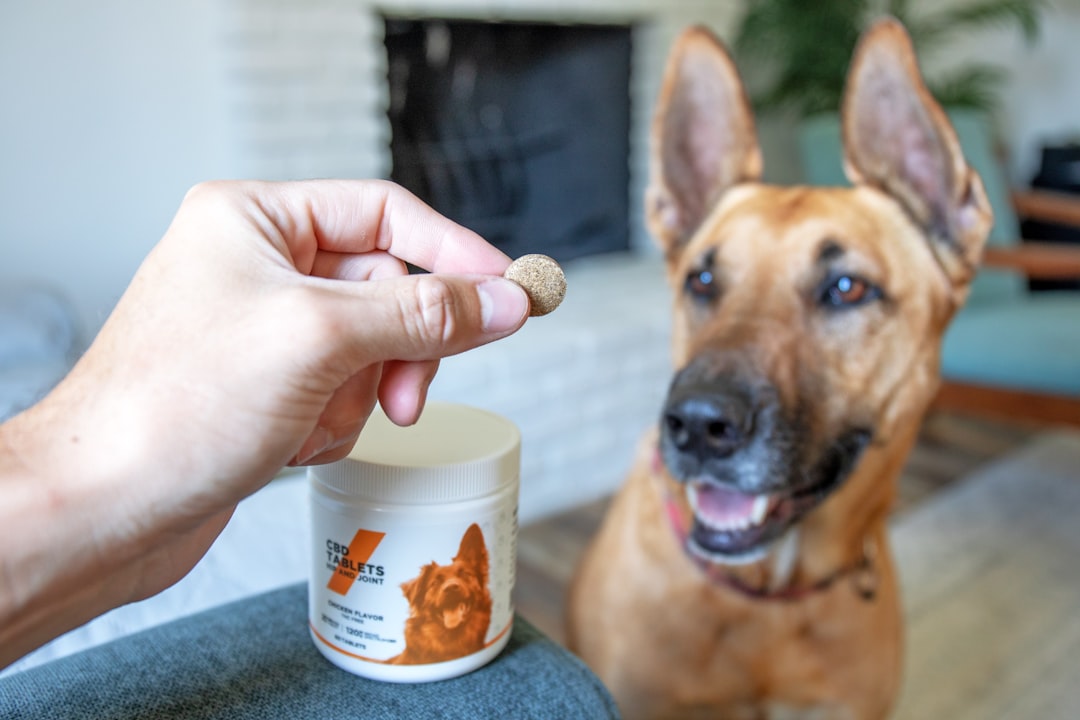
- Supplements: Glucosamine, chondroitin, and Omega-3 fatty acids help support cartilage health and reduce inflammation. Before administering any supplements, be sure to review the options with your pet's veterinarian for proper dosing and appropriate product types. Some human-based supplements may not be appropriate or safe for your dog.
- Medication: Non-steroidal anti-inflammatory drugs (NSAIDs) are frequently prescribed to manage daily pain, though they require regular blood work to monitor liver and kidney function.
In more severe cases, or in very young dogs where the condition is caught early, surgery may be the best option. VCA Animal Hospitals outlines several common procedures. For puppies under 10-12 months, a Triple Pelvic Osteotomy (TPO) can realign the socket to better cover the ball. For older dogs with advanced arthritis, a Total Hip Replacement (THR) is the gold standard, replacing the entire joint with a prosthetic. For smaller dogs or when cost is a major barrier, a Femoral Head Ostectomy (FHO) removes the "ball" of the joint, allowing the body to create a "false joint" out of scar tissue.
Prevention Strategies for Breeding and Development
While you cannot change a dog's genetic blueprint, you can influence how those genes are expressed through environmental control. Prevention starts with the breeder. Before purchasing a puppy, always ask for the OFA or PennHIP certifications of both parents. Responsible breeding is the only way to reduce the overall incidence of hip dysplasia in the canine population.
Once you bring a puppy home, especially a large breed, growth rate is everything. High-calorie "puppy" foods can sometimes cause dogs to grow too fast, putting strain on their developing skeletons. Consult with your vet to ensure your puppy is on a growth-appropriate diet that maintains a steady, healthy pace of development.
Exercise also plays a role in prevention. While we want our puppies to be active, repetitive high-impact activities-like jumping for frisbees or long runs on pavement-should be avoided until the growth plates have closed. Focus instead on low-impact activities like swimming or short walks on soft grass. Engaging in age-appropriate dog training can help build the necessary coordination and muscle tone without overstressing the joints.
Finding the Path Forward for Your Dog
A diagnosis of hip dysplasia in dogs is a challenge, but it is one that you and your veterinarian can manage together. By combining early diagnostic screening with a commitment to weight management and controlled exercise, you can significantly slow the progression of the disease. Whether through conservative dog arthritis treatment or advanced surgical techniques, the primary goal remains the same: keeping your dog comfortable, happy, and by your side for years to come. Start by assessing your dog's current mobility today-because every step toward better joint health is a step toward a better life for your pet.
Frequently Asked Questions
What are the early signs of hip dysplasia in dogs?
Early signs include a noticeable decrease in activity, reluctance to play, and symptoms like a 'bunny-hopping' gait.
How is hip dysplasia diagnosed in dogs?
Diagnosis methods include physical examinations and diagnostic imaging like X-rays.
What treatment options are available for dogs with hip dysplasia?
Treatment can range from conservative management, like weight management, to surgical interventions depending on severity.
How can hip dysplasia be prevented in dogs?
Preventive strategies include responsible breeding practices, controlled exercise, and maintaining a healthy weight.
Related Articles
Sources
Reviewed by Melissa Schalles, LVT