
What Age Should You Start Training Your Puppy?
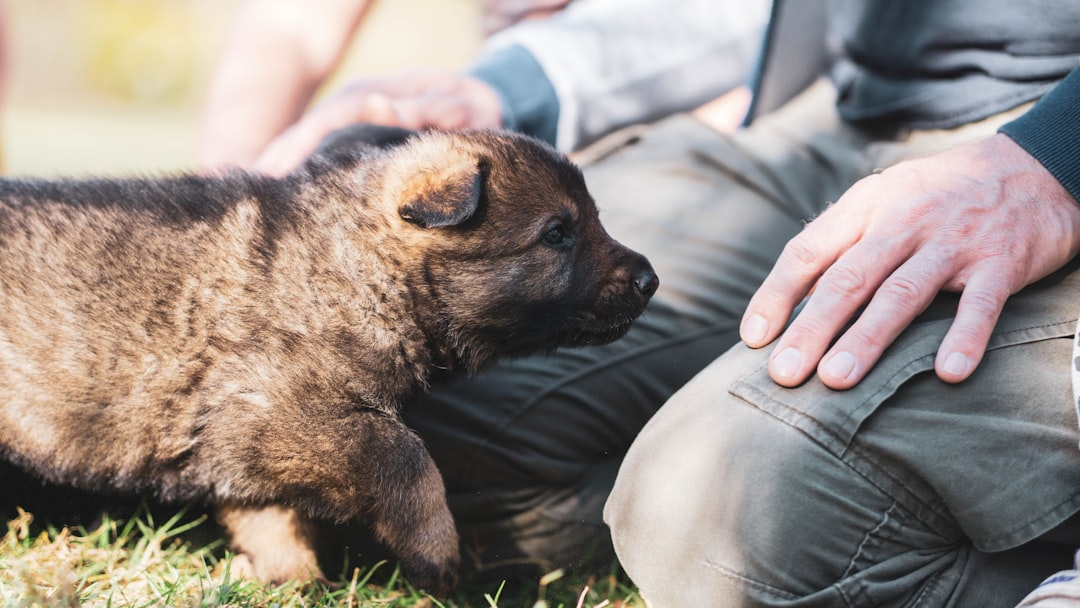
Key Takeaways
- Start training as early as 8 weeks old.
- Early training leads to better long-term behavior.
- Set age-appropriate training goals.
- Older puppies may require more patience.
- Consult experts for tailored training advice.
What Age Should You Start Training Your Puppy?
Ignoring the right age to start puppy training can lead to behavioral issues that are difficult to correct later on. Many new pet owners make the mistake of delaying training until their puppy is older, thinking they need to wait for their pet to mature. This oversight can result in a dog that struggles with basic commands and socialization, making everyday interactions challenging. Start training your puppy as early as 8 weeks old to ensure a well-behaved companion.
Ideal Age to Begin Training
The ideal age to start puppy training is as early as 8 weeks old. At this stage, puppies are highly receptive to learning and can begin to grasp basic commands and social cues. Early training not only sets the foundation for obedience but also helps in developing a strong bond between you and your puppy. This is the time when puppies are most adaptable, making it easier to instill good habits that will last a lifetime.
Benefits of Early Training
Starting training at 8 weeks significantly improves long-term behavior. Puppies trained early are more likely to exhibit positive behaviors such as proper socialization, reduced anxiety, and better response to commands. Early training also aids in preventing the development of undesirable habits like excessive barking or chewing. By setting clear expectations from the start, you can ensure a harmonious relationship with your pet.
Training Milestones by Age
Setting age-appropriate training goals is crucial for your puppy's development. Here are some milestones to aim for:
- 8–12 weeks: Focus on basic commands like sit, stay, and come. Introduce leash training and socialization with other dogs and people.
- 3–6 months: Reinforce commands and introduce more complex tasks like fetch or heel. Begin house training and establish a routine.
- 6–12 months: Work on refining obedience and impulse control. Continue socialization and introduce new environments to build confidence.
These milestones provide a structured approach to training, ensuring that your puppy progresses steadily.
Adjusting Training for Older Puppies
If you start training an older puppy, be prepared for a different set of challenges. Older puppies may require more patience as they might have already developed certain habits. It's important to remain consistent and patient, reinforcing positive behavior with rewards. Older puppies can still learn effectively, but the process may take longer, requiring additional time and effort from the owner.
Expert Recommendations
Consulting experts for tailored training advice can make a significant difference in your puppy's development. Professional trainers can provide insights specific to your puppy's breed and temperament, ensuring that training methods are effective and humane. They can also help address any specific behavioral issues that arise, offering solutions that are customized to your puppy's needs.
By understanding the age to start puppy training and following expert guidance, you can make informed decisions about your puppy's education. Starting training at 8 weeks old can lead to a well-adjusted and obedient dog, while setting age-appropriate goals ensures steady progress. If you have an older puppy, remember that patience and consistency are key to overcoming any challenges.
Frequently Asked Questions
What is the ideal age to start puppy training?
The ideal age to start puppy training is as early as 8 weeks old.
Why is early training important for puppies?
Early training leads to better long-term behavior and helps puppies develop good habits.
Can older puppies be trained?
Yes, older puppies can still be trained, but it may require more patience and time.
Related Articles
- Complete Guide to Puppy Training
- Why is Consistency Important in Puppy Training?
- Can You Train a Puppy Yourself or Should You Hire a Professional?
- How to Teach Your Puppy Basic Commands
- Socializing Your Puppy: Essential Steps
- Risks of Inadequate Puppy Training
- Puppy Training vs. Adult Dog Training: Key Differences
- Puppy Training Classes vs. Home Training: Pros and Cons
- Potty Training Your Puppy: A Step-by-Step Guide
- Positive Reinforcement vs. Negative Reinforcement in Puppy Training
- What Are the Most Common Puppy Training Commands?
- Leash Training Your Puppy: A Comprehensive Guide
- How Long Does Puppy Training Take?
- Health Risks Associated with Poor Puppy Training
- Crate Training Your Puppy: Tips and Techniques
- Common Mistakes in Puppy Training and How to Avoid Them
- Puppy Potty Training: Complete Guide to House Training Success
Sources
Reviewed by Melissa Schalles, LVT