
How to Teach Your Puppy Basic Commands
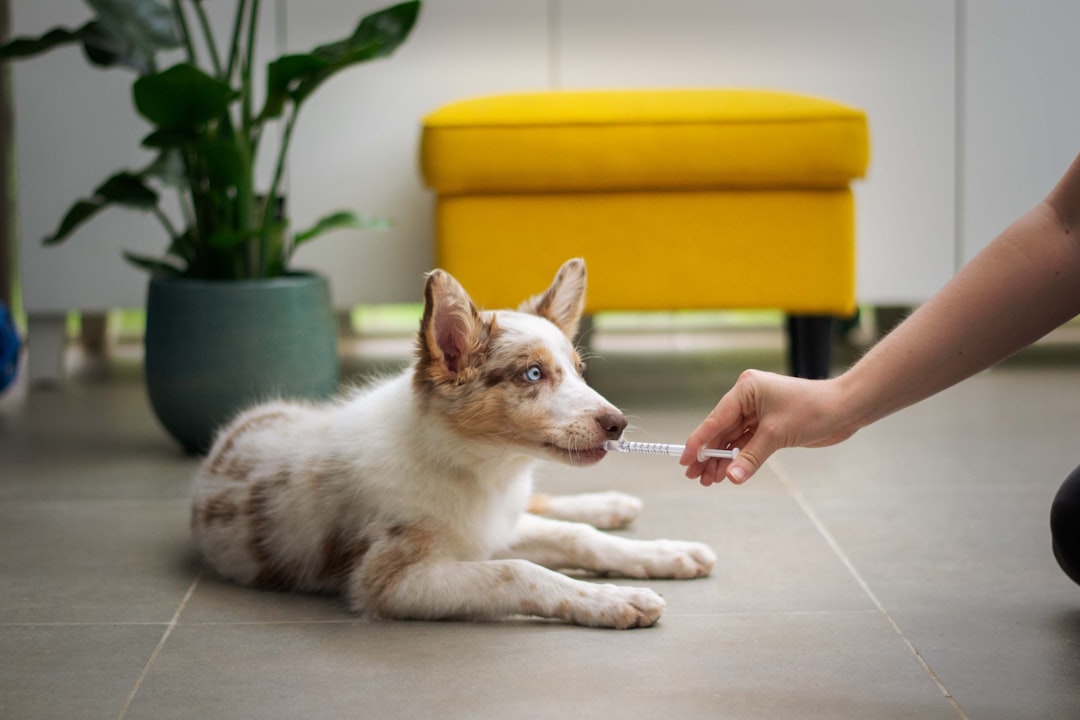
Key Takeaways
- Start with simple commands like sit and stay.
- Use treats and praise as positive reinforcement.
- Avoid negative reinforcement to prevent fear.
- Consistency is crucial for command retention.
- Gradually introduce more complex commands.
How to Teach Your Puppy Basic Commands
Ignoring the importance of teaching puppy commands can lead to a disobedient and anxious pet. When puppies are not taught basic commands, they may develop behavioral issues that are difficult to correct later on. This can result in a strained relationship between you and your furry friend. Addressing this now ensures your puppy grows into a well-behaved adult dog, making your life easier and your pet happier.
Understanding Basic Commands
Teaching puppy commands starts with understanding the fundamental ones: sit, stay, and come. These commands form the foundation of your puppy's training and help establish a communication bridge between you and your pet. By starting with simple commands like sit and stay, you create a structured environment where your puppy knows what to expect and how to behave. This is crucial for building a strong training base.
Step-by-Step Training Process
Begin by selecting a quiet environment free of distractions. This helps your puppy focus solely on the training session. Start with the "sit" command by holding a treat close to your puppy's nose and moving your hand up, allowing their head to follow the treat and causing their bottom to lower. Once they sit, reward them with the treat and praise.
For the "stay" command, once your puppy is sitting, open your palm in front of them and say "stay." Take a few steps back, and if they remain seated, reward them. Consistency is crucial for command retention, so practice these steps regularly to reinforce learning.
Using Positive Reinforcement
Positive reinforcement is a powerful tool in teaching puppy commands. Use treats and praise as positive reinforcement to encourage desired behaviors. This method not only rewards your puppy for following commands but also strengthens the bond between you two. Avoid negative reinforcement to prevent fear and anxiety, which can hinder the training process and damage trust.
Common Mistakes to Avoid
One common mistake is inconsistency. If you do not consistently use the same commands and rewards, your puppy may become confused and less likely to obey. Another error is using negative reinforcement, such as scolding or punishment, which can instill fear and reduce the effectiveness of training. Lastly, introducing complex commands too early can overwhelm your puppy. Gradually introduce more complex commands once the basics are mastered.
Advanced Commands for Later
Once your puppy has mastered basic commands, you can introduce more advanced ones like "leave it," "heel," and "roll over." These commands require a higher level of understanding and should be introduced gradually. Ensure your puppy is comfortable with the basic commands before moving on to these more complex instructions. Advanced commands not only enhance your puppy's skills but also keep their mind engaged and active.
By following this guide, you are equipped to make informed decisions about your puppy's training. Starting with simple commands and using positive reinforcement will lead to a well-behaved pet, while avoiding common mistakes ensures a smooth training process. As your puppy progresses, introducing advanced commands will keep them mentally stimulated and obedient.
Frequently Asked Questions
What are some basic commands for puppies?
Start with simple commands like sit, stay, and come.
How should I reinforce puppy training?
Use treats and praise as positive reinforcement.
What mistakes should I avoid in puppy training?
Avoid inconsistency and negative reinforcement.
Related Articles
- Complete Guide to Puppy Training
- Why is Consistency Important in Puppy Training?
- What Age Should You Start Training Your Puppy?
- Can You Train a Puppy Yourself or Should You Hire a Professional?
- Socializing Your Puppy: Essential Steps
- Risks of Inadequate Puppy Training
- Puppy Training vs. Adult Dog Training: Key Differences
- Puppy Training Classes vs. Home Training: Pros and Cons
- Potty Training Your Puppy: A Step-by-Step Guide
- Positive Reinforcement vs. Negative Reinforcement in Puppy Training
- What Are the Most Common Puppy Training Commands?
- Leash Training Your Puppy: A Comprehensive Guide
- How Long Does Puppy Training Take?
- Health Risks Associated with Poor Puppy Training
- Crate Training Your Puppy: Tips and Techniques
- Common Mistakes in Puppy Training and How to Avoid Them
- Puppy Potty Training: Complete Guide to House Training Success
Sources
Reviewed by Melissa Schalles, LVT