
Common Mistakes in Puppy Training and How to Avoid Them
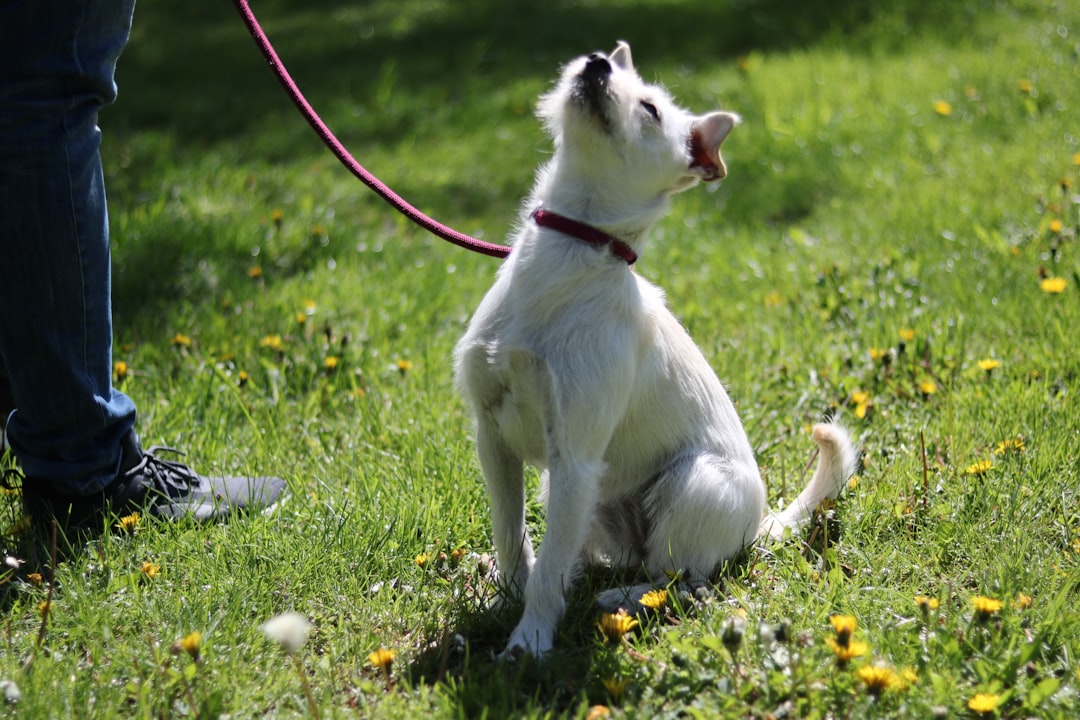
Key Takeaways
- Inconsistency can confuse your puppy.
- Negative reinforcement can lead to fear.
- Set realistic expectations for your puppy's learning.
- Stay patient and avoid frustration during training.
- Learn from mistakes and adjust your approach.
Common Mistakes in Puppy Training and How to Avoid Them
Introducing a puppy to your home is a joyful experience, but it comes with its challenges. One common mistake is inconsistency in training, which can lead to confusion and hinder your puppy's ability to learn effectively. When training is inconsistent, puppies struggle to understand what is expected of them, leading to frustration for both the owner and the pet. Addressing these puppy training mistakes is crucial to ensure your puppy grows into a well-behaved dog.
Identifying Common Training Mistakes
Puppy training mistakes can range from inconsistency to unrealistic expectations. Identifying these errors early on can prevent long-term behavioral issues. For instance, failing to set a regular schedule for training sessions can confuse your puppy, as they thrive on routine. Additionally, using negative reinforcement can instill fear rather than teach desired behaviors. Recognizing these mistakes allows you to adjust your approach and foster a positive learning environment for your puppy.
Overcoming Inconsistency
Inconsistency can confuse your puppy, making it difficult for them to grasp what is expected. Puppies learn best through repetition and routine. If commands or rules change frequently, your puppy may not understand which behaviors are acceptable. To overcome this, establish a consistent training schedule and ensure all family members use the same commands and rules. Consistency helps reinforce learning and builds a strong foundation for future training.
Avoiding Negative Reinforcement
Negative reinforcement can lead to fear, which is counterproductive to effective training. When puppies associate training with punishment, they may become anxious or fearful, hindering their ability to learn. Instead, focus on positive reinforcement by rewarding desired behaviors with treats, praise, or playtime. This approach encourages your puppy to repeat good behaviors and fosters a trusting relationship between you and your pet.
Recognizing Unrealistic Expectations
Set realistic expectations for your puppy's learning to avoid disappointment and frustration. Puppies have short attention spans and may not grasp commands immediately. Expecting too much too soon can lead to discouragement. Understand that training is a gradual process and celebrate small victories along the way. Adjust your expectations based on your puppy's age, breed, and individual temperament to ensure a successful training journey.
Dealing with Frustration
Stay patient and avoid frustration during training. It's natural to feel impatient when progress seems slow, but expressing frustration can negatively impact your puppy's learning. Instead, take breaks when needed and return to training with a calm demeanor. Learn from mistakes and adjust your approach as necessary. Patience and adaptability are key to overcoming challenges and achieving long-term success in puppy training.
By recognizing and addressing common puppy training mistakes, you can make informed decisions that lead to a harmonious relationship with your pet. Consistent training and positive reinforcement will result in a well-behaved puppy, while patience and realistic expectations ensure a stress-free training experience.
Frequently Asked Questions
What are common mistakes in puppy training?
Common mistakes include inconsistency, negative reinforcement, and unrealistic expectations.
How can I avoid negative reinforcement in puppy training?
Focus on positive reinforcement by rewarding desired behaviors instead of punishing undesirable ones.
How should I set expectations for my puppy's training?
Set realistic expectations based on your puppy's age, breed, and temperament to facilitate effective learning.
Related Articles
- Complete Guide to Puppy Training
- Why is Consistency Important in Puppy Training?
- What Age Should You Start Training Your Puppy?
- Can You Train a Puppy Yourself or Should You Hire a Professional?
- How to Teach Your Puppy Basic Commands
- Socializing Your Puppy: Essential Steps
- Risks of Inadequate Puppy Training
- Puppy Training vs. Adult Dog Training: Key Differences
- Puppy Training Classes vs. Home Training: Pros and Cons
- Potty Training Your Puppy: A Step-by-Step Guide
- Positive Reinforcement vs. Negative Reinforcement in Puppy Training
- What Are the Most Common Puppy Training Commands?
- Leash Training Your Puppy: A Comprehensive Guide
- How Long Does Puppy Training Take?
- Health Risks Associated with Poor Puppy Training
- Crate Training Your Puppy: Tips and Techniques
- Puppy Potty Training: Complete Guide to House Training Success
Sources
Reviewed by Melissa Schalles, LVT