
Potty Training Your Puppy: A Step-by-Step Guide
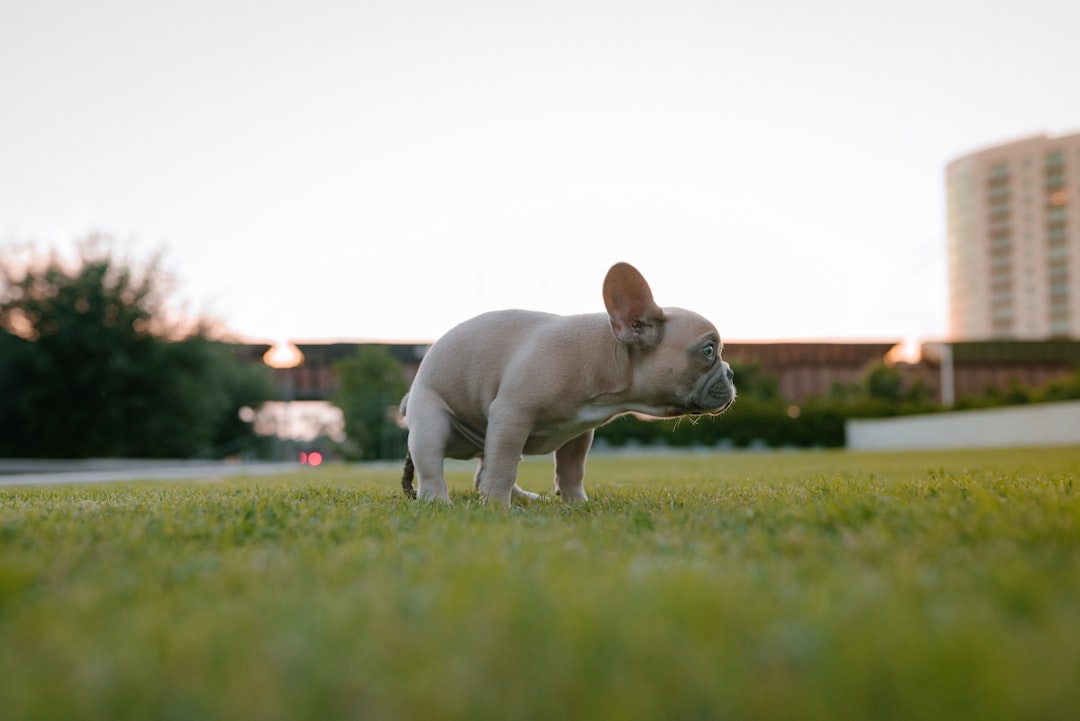
Key Takeaways
- Establish a consistent potty schedule.
- Watch for signs that your puppy needs to go.
- Praise your puppy for successful potty trips.
- Clean accidents thoroughly to remove scent.
- Gradually move potty location outdoors.
Potty Training Your Puppy: A Step-by-Step Guide
Ignoring the importance of establishing a consistent potty schedule can lead to unwanted accidents in your home. When puppy potty training is neglected, it often results in confusion for your pet and frustration for you, as your puppy may not understand where and when it is appropriate to relieve themselves. This can quickly become a persistent issue, making it crucial to address potty training immediately to ensure a harmonious living environment.
Why Potty Training is Important
Potty training your puppy is a foundational step in their development. Without it, your puppy may develop habits that are difficult to break, leading to ongoing accidents and potential behavioral issues. Puppies thrive on routine and structure, and potty training provides both. By teaching your puppy where to go, you are setting them up for success and creating a cleaner, happier home for everyone involved.
It is also important to note that puppies can develop a preference for certain surfaces — such as grass, puppy pads, dirt, or concrete — as early as 6 to 8 weeks of age. This means the substrate your puppy is exposed to during early potty training can shape where they prefer to eliminate for years to come. With this in mind, be intentional about introducing your puppy to the surface you ultimately want them to use, and consistently incorporate that substrate throughout the potty training process.
Setting Up a Routine
Establishing a consistent potty schedule is vital to successful puppy potty training. Puppies have small bladders and need frequent bathroom breaks. A general rule of thumb is to take your puppy out every two hours, and always after meals, naps, and play sessions. Consistency helps your puppy understand what is expected of them, reducing the likelihood of accidents.
Recognizing Potty Signals
Understanding your puppy's potty signals is key to preventing accidents. Puppies often exhibit certain behaviors when they need to go, such as sniffing the ground, circling, or whining. By watching for these signs, you can quickly take your puppy to their designated potty area, reinforcing positive behavior. Praise your puppy for successful potty trips to encourage them to repeat the behavior.
Handling Accidents
Accidents are a natural part of the potty training process. When they occur, it is important to clean them thoroughly to remove any scent that might attract your puppy back to the same spot. Use an enzymatic cleaner specifically designed for pet messes. Avoid scolding your puppy, as this can create fear and anxiety, hindering the training process. Instead, focus on reinforcing positive behavior when they go in the right place.
Transitioning to Outdoor Potty
Once your puppy consistently uses their indoor potty area, you can begin transitioning them to an outdoor potty location. Gradually move the potty area closer to the door, and eventually outside. This process should be done slowly to avoid confusing your puppy. Continue to praise them for successful outdoor potty trips, reinforcing the new behavior. This gradual transition helps your puppy adjust to the new environment, ensuring long-term success in their potty training journey.
Deciding to implement a structured potty training routine and recognizing your puppy's signals will lead to a well-trained pet. These steps not only prevent accidents but also foster a trusting relationship between you and your puppy, ensuring a harmonious household.
Frequently Asked Questions
How often should I take my puppy out?
Take your puppy out every two hours, and always after meals, naps, and play sessions.
What are common signs that a puppy needs to go?
Look for behaviors like sniffing the ground, circling, or whining.
How should I clean up accidents?
Clean accidents thoroughly with an enzymatic cleaner to eliminate scents.
When should I start transitioning to outdoor potty locations?
When your puppy consistently uses their indoor potty area.
Related Articles
- Complete Guide to Puppy Training
- Why is Consistency Important in Puppy Training?
- What Age Should You Start Training Your Puppy?
- Can You Train a Puppy Yourself or Should You Hire a Professional?
- How to Teach Your Puppy Basic Commands
- Socializing Your Puppy: Essential Steps
- Risks of Inadequate Puppy Training
- Puppy Training vs. Adult Dog Training: Key Differences
- Puppy Training Classes vs. Home Training: Pros and Cons
- Positive Reinforcement vs. Negative Reinforcement in Puppy Training
- What Are the Most Common Puppy Training Commands?
- Leash Training Your Puppy: A Comprehensive Guide
- How Long Does Puppy Training Take?
- Health Risks Associated with Poor Puppy Training
- Crate Training Your Puppy: Tips and Techniques
- Common Mistakes in Puppy Training and How to Avoid Them
- Puppy Potty Training: Complete Guide to House Training Success
Reviewed by Melissa Schalles, LVT