
Why Is My Kitten Not Responding to Training?
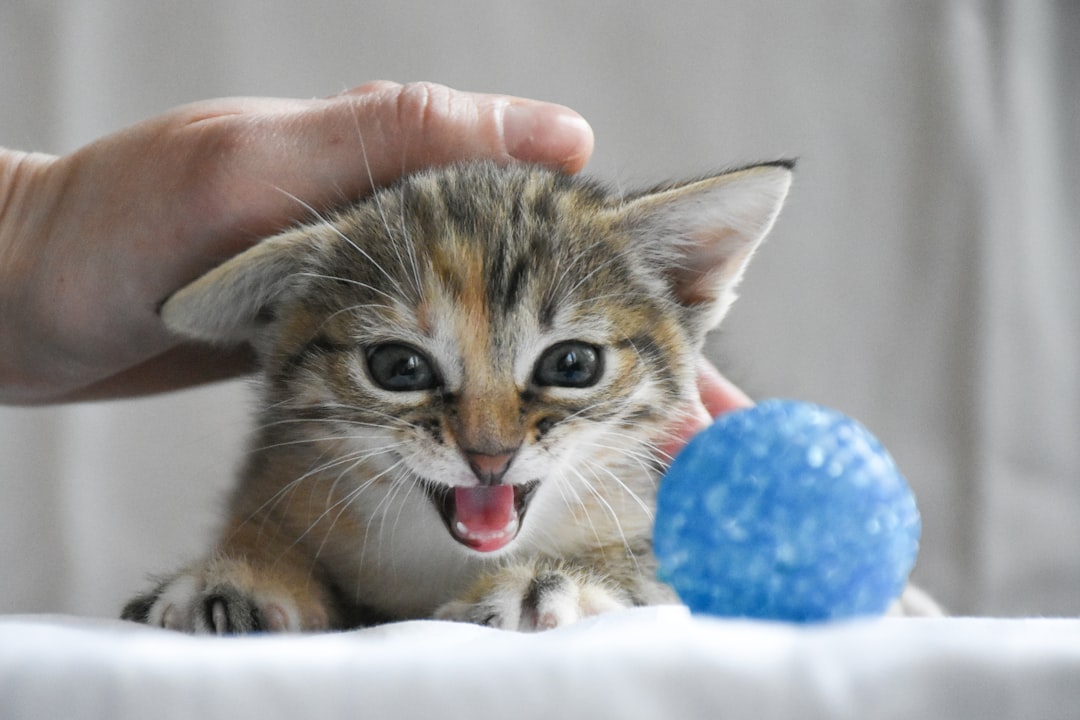
Key Takeaways
- Lack of response may be due to distractions or fear.
- Evaluate if your training methods are suitable.
- Ensure the training environment is calm and quiet.
- Consider consulting a professional if issues persist.
Why Is My Kitten Not Responding to Training?
When your kitten is not responding to training, it can be frustrating and concerning. Ignoring this issue can lead to long-term behavioral problems, making it difficult to manage your kitten as it grows. Addressing this now is crucial to ensure your kitten becomes a well-adjusted adult cat.
Common Reasons for Lack of Response
One of the primary reasons a kitten might not respond to training is due to distractions or fear. Kittens are naturally curious and can be easily distracted by new sounds, sights, and smells. Additionally, if a kitten feels scared or threatened, it may shut down and not respond to any training efforts. It's important to recognize these signs early to adjust your approach accordingly.
Assessing Your Training Approach
Evaluate if your training methods are suitable for your kitten. Are you using positive reinforcement techniques, such as treats or praise? Kittens respond best to positive reinforcement rather than punishment, which can lead to fear and anxiety. Consider if the commands are clear and consistent, as inconsistency can confuse your kitten and hinder its learning process.
Identifying Environmental Factors
Ensure the training environment is calm and quiet. A chaotic or noisy environment can overwhelm a kitten, making it difficult for them to focus on the training. Choose a space that is free from distractions and provides a sense of security for your kitten. This will help create a positive learning environment where your kitten can thrive.
Adjusting Training Techniques
If your kitten is not responding to training, adjusting your techniques might be necessary. Start with shorter training sessions to maintain your kitten's attention span. Gradually increase the complexity of the tasks as your kitten becomes more comfortable. Be patient and give your kitten time to understand what is expected. Consistency and repetition are key to successful training.
When to Seek Professional Help
Consider consulting a professional if issues persist despite your best efforts. A professional animal behaviorist can assess your kitten's behavior and provide tailored advice to address specific challenges. Seeking help early can prevent the development of more serious behavioral issues and ensure your kitten grows into a well-mannered adult cat.
By understanding the reasons behind your kitten's lack of response to training, you can make informed decisions about adjusting your approach and environment. These changes can lead to a more responsive and well-behaved kitten, ensuring a harmonious relationship between you and your furry friend.
Frequently Asked Questions
Why is my kitten not responding to training?
Kittens may not respond due to distractions or fear, so creating a calm training environment is crucial.
What should I evaluate in my training methods?
Evaluate whether you're using positive reinforcement and if your commands are clear and consistent.
How can I improve my kitten's training experience?
Start with shorter sessions, gradually increase complexity, and be patient to allow your kitten to learn.
Related Articles
- Complete Guide to Kitten Training Extra 16
- What Age Should You Start Training Your Kitten?
- Understanding Kitten Training Challenges
- Teaching Your Kitten Basic Commands
- Risks of Inadequate Kitten Training
- Kitten Training vs. Puppy Training: Key Differences
- Kitten Training Techniques: Positive vs. Negative Reinforcement
- Kitten Training Mistakes to Avoid
- Kitten Training for Good Behavior
- Indoor vs. Outdoor Kitten Training
- How to Litter Train Your Kitten
- How Long Does Kitten Training Take?
- Complete Guide to Kitten Training
- Can Older Cats Be Trained Like Kittens?
- Cat Separation Anxiety: Signs, Causes, and Treatment Solutions
Reviewed by Melissa Schalles, LVT