
How Long Does Kitten Training Take?
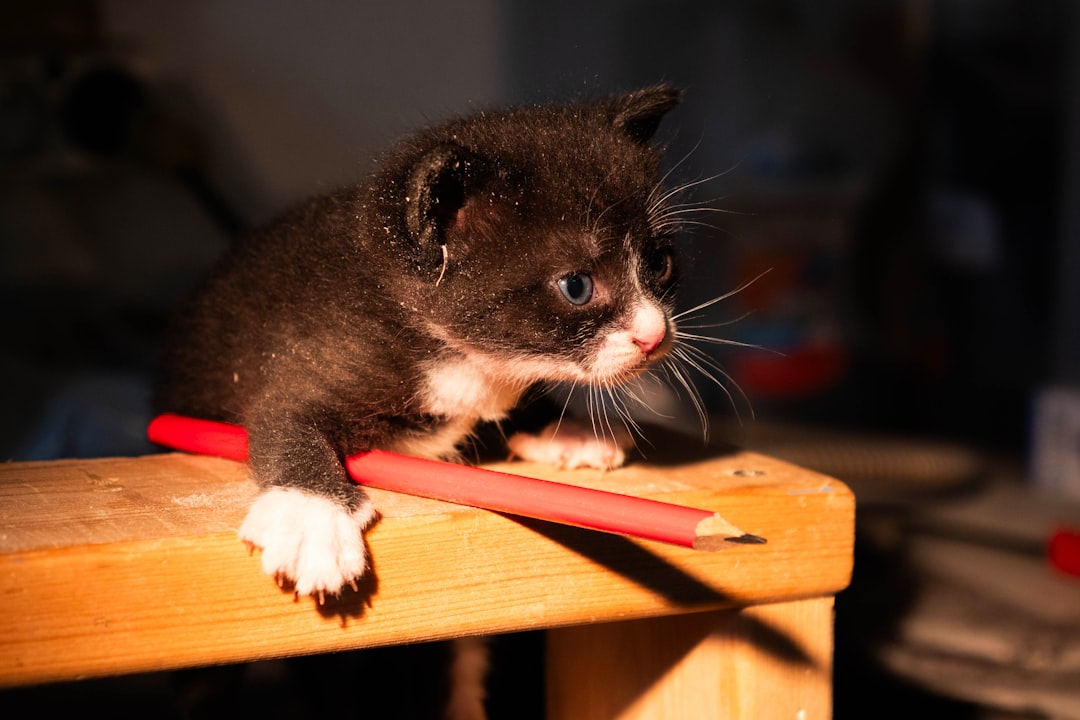
Key Takeaways
- Training duration varies based on the kitten's personality.
- Basic training can take a few weeks to a few months.
- Advanced training requires ongoing effort and patience.
- Consistency and regular practice speed up the process.
How Long Does Kitten Training Take?
Ignoring the importance of a structured training routine for your kitten can lead to a host of behavioral issues. Without proper training, kittens may develop habits like scratching furniture, biting, or ignoring litter box use. These behaviors can become ingrained, leading to a stressful environment for both the pet and the owner. Addressing the "kitten training duration" is crucial to prevent these problems from escalating.
Factors Affecting Training Duration
The duration of kitten training varies significantly based on several factors. One of the most influential is the kitten's personality. Some kittens are naturally more curious and eager to learn, while others may be more timid or independent, requiring a different approach and timeline. Additionally, the age at which training begins can impact how quickly a kitten adapts to new behaviors. Younger kittens may be more receptive, but older kittens can still learn with patience and consistency.
Environmental factors also play a role. A calm and stable environment can facilitate quicker learning, whereas a chaotic or frequently changing setting might slow progress. Lastly, the owner's experience and consistency in training methods can either accelerate or hinder the process.
Typical Timeline for Basic Training
Basic training for kittens typically spans a few weeks to a few months. During this period, kittens learn essential behaviors such as using the litter box, responding to their name, and understanding basic commands like "sit" or "come." Consistency is key; regular practice and positive reinforcement can significantly speed up the process. Most kittens will show noticeable improvements in their behavior within the first month, but complete mastery of basic skills might take longer.
Progressing to Advanced Training
Advanced training requires ongoing effort and patience. Unlike basic training, which focuses on essential behaviors, advanced training involves more complex tasks such as leash walking, performing tricks, or responding to more intricate commands. This stage of training is not bound by a strict timeline and often depends on the owner's dedication and the kitten's individual learning pace. Regular practice and gradually increasing the complexity of tasks can help maintain progress.
Signs of Successful Training
Recognizing the signs of successful training is crucial for assessing your kitten's progress. A well-trained kitten will consistently use the litter box, respond to basic commands, and exhibit fewer undesirable behaviors such as scratching or biting. Additionally, a trained kitten will often show signs of increased confidence and curiosity, exploring their environment without fear. These indicators suggest that the training methods are effective and that the kitten is adapting well.
Tips for Accelerating Training
To accelerate the training process, consider the following tips:
- Consistency: Maintain a regular training schedule to reinforce learning.
- Positive Reinforcement: Use treats and praise to reward desired behaviors, encouraging repetition.
- Patience: Understand that each kitten learns at their own pace, and avoid rushing the process.
- Environment: Create a calm and distraction-free environment to help your kitten focus on training sessions.
By following these strategies, you can help your kitten learn more efficiently and reduce the overall training duration.
Deciding on the right training approach for your kitten can lead to a harmonious home environment and a well-behaved pet. By understanding the factors affecting training duration and implementing effective strategies, you can foster a positive learning experience for your kitten, ensuring they grow into a well-adjusted cat.
Frequently Asked Questions
What is the duration of basic kitten training?
Basic training for kittens typically spans a few weeks to a few months.
What factors affect kitten training duration?
Kitten's personality, environmental factors, and owner's experience all play a role in training duration.
How can I speed up kitten training?
Consistency and regular practice are key to speeding up training progress.
Related Articles
- Complete Guide to Kitten Training Extra 16
- Why Is My Kitten Not Responding to Training?
- What Age Should You Start Training Your Kitten?
- Understanding Kitten Training Challenges
- Teaching Your Kitten Basic Commands
- Risks of Inadequate Kitten Training
- Kitten Training vs. Puppy Training: Key Differences
- Kitten Training Techniques: Positive vs. Negative Reinforcement
- Kitten Training Mistakes to Avoid
- Kitten Training for Good Behavior
- Indoor vs. Outdoor Kitten Training
- How to Litter Train Your Kitten
- Complete Guide to Kitten Training
- Can Older Cats Be Trained Like Kittens?
- Cat Separation Anxiety: Signs, Causes, and Treatment Solutions
Sources
Reviewed by Melissa Schalles, LVT