
How to Stop Dog Jumping on People: Complete Training Guide
Key Takeaways
- Why dogs jump and the psychology behind the behavior
- Step-by-step training techniques to stop jumping
- How to teach alternative greeting behaviors
- Managing jumping with guests and strangers
- Consistency tips for all family members
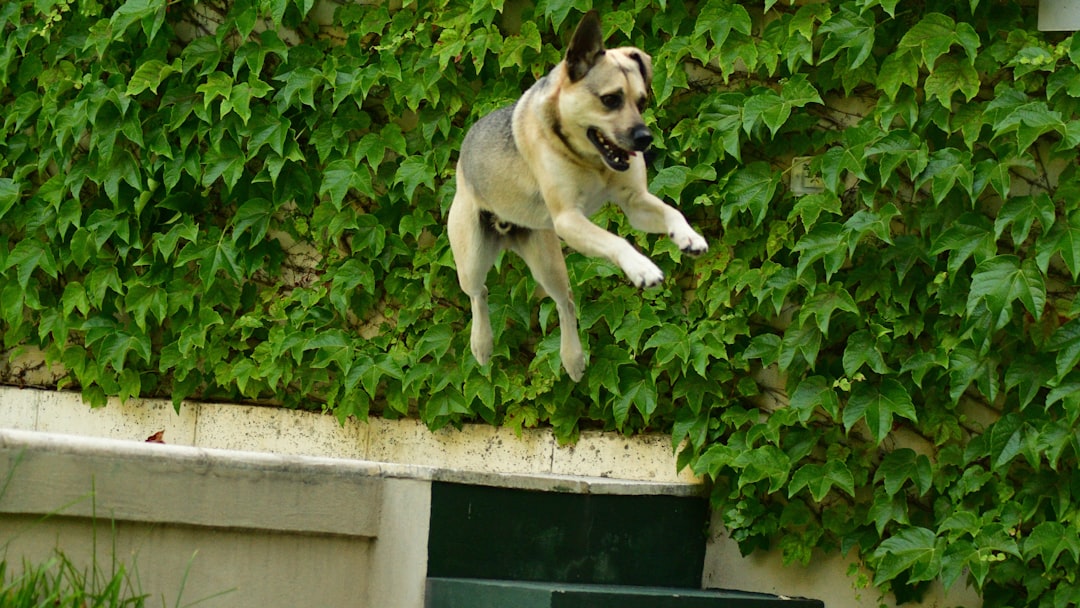
Coming home to an enthusiastic greeting is one of the best parts of being a pet parent, but when that enthusiasm turns into a vertical launch, you need to know how to stop dog jumping for the safety of everyone involved. While it might seem cute when a tiny puppy hops up to say hello, a full grown dog jumping on guests or family members can lead to scratched skin, torn clothes, or even knocked-over children. This behavior is one of the most common complaints owners have, yet it is also one of the most treatable through consistent positive reinforcement and patience. By understanding the root cause of the behavior and implementing a structured plan, you can transform your dog’s over-the-top greetings into calm, polite interactions that make everyone feel comfortable.
Understanding the Psychology Behind Jumping Dog Behavior
To effectively address the issue, we must first look at why dogs feel the need to jump in the first place. According to the American Kennel Club (AKC), jumping is a natural canine behavior rooted in how puppies interact with their mothers. Puppies lick their mother’s muzzle to solicit food and attention, and as they grow, they continue to seek face-to-face contact with the humans they love. Since humans are much taller than dogs, the dog naturally leaps up to get closer to our faces.
Furthermore, jumping dog behavior is almost always an attention-seeking mechanism. From a dog’s perspective, any reaction from a human is a reward. If your dog jumps and you push them away, yell "no," or grab their paws, you are giving them the physical touch and verbal engagement they crave. Even negative attention is still attention. As noted by the ASPCA, many owners unknowingly reinforce jumping by petting the dog when they are excited or by laughing at the behavior when the dog is still a puppy. To the dog, the message is clear: jumping works.
It is also worth considering your pet’s overall lifestyle when evaluating their behavior. In some cases, high arousal and lack of impulse control can be exacerbated by physical discomfort or diet. Maintaining high standards for overall dog health ensures your pet is physically capable of focusing during sessions. Similarly, providing proper dog nutrition can help stabilize energy levels, making it easier for your dog to remain calm during greetings rather than being hyper-reactive due to a "sugar rush" or poor quality fillers in their food.
Effective Dog Training Techniques to Curb Jumping
The most important rule in any Dog Training program focused on jumping is to remove the reward. If the reward for jumping is your attention, then the most effective punishment is the total removal of that attention. This technique is often referred to as "being a tree." When your dog leaps up, you should immediately turn your back, tuck your hands into your armpits, and look at the ceiling. Do not speak, do not push them, and do not make eye contact.
PetMD suggests that you should wait until all four paws are firmly on the floor before acknowledging your dog. The moment they settle, you can offer a calm "good dog" and a treat. If they jump again the second you turn back around, repeat the process. This teaches the dog that jumping makes the "human toy" stop working, while standing calmly makes the "human toy" provide treats and affection.
Consistency is the foundation of Dog Training. You cannot allow the dog to jump "sometimes" - such as when you are wearing old clothes - while expecting them to stay down when you are dressed for work. Every single interaction must follow the same rules. If you find yourself struggling with these basics, the Certification Council for Professional Dog Trainers (CCPDT) recommends seeking a certified professional who can observe your timing and help you refine your rewards.
How to Teach Alternative Greeting Manners
Simply telling a dog what not to do is only half the battle; you must also tell them what you want them to do instead. Teaching specific dog greeting manners gives your pet a "job" to perform when they see a person. The most effective alternative behavior for a jumper is a solid "sit." It is physically impossible for a dog to sit and jump at the same time, making this an incompatible behavior.
Start by practicing the sit command in a low-distraction environment. Once your dog is sitting reliably, have a family member walk toward the dog. If the dog stays sitting, the person continues to approach and offers a treat. If the dog stands up or prepares to jump, the person should immediately turn around and walk away. This helps the dog realize that the "sit" is the key that unlocks the person’s presence.
Another excellent alternative is the "go to your mat" command. This is particularly helpful when you have people entering the house. By training your dog to go to a specific rug or bed when the doorbell rings, you create a physical distance between the dog and the guest, preventing the jumping before it even starts. You can find more structured advice on building these foundations by exploring our professional dog training guides.
Step-by-Step Instructions to Prevent Dog Jumping Up
If your dog is a chronic jumper, you may need to use management tools to prevent dog jumping up while they are still in the learning phase. Management is not the same as training, but it prevents the dog from practicing the bad habit. One of the best tools for this is a standard four-foot to six-foot leash.
- The Tether Method: When you know guests are arriving, put your dog on a leash and step on the leash so the dog has just enough slack to stand, sit, or lie down, but not enough to launch their front paws off the ground. When the guest enters, the dog will try to jump but find they are physically unable to do so.
- Reward the Calm: As the guest approaches, if the dog remains calm, the guest can offer a treat. If the dog becomes frantic, the guest stays out of reach.
- The Scattering Technique: If you are entering the house and your dog is too excited to sit, try scattering a handful of small, high-value treats on the floor the moment you walk in. This redirects the dog’s attention downward and rewards them for keeping their nose to the ground instead of their paws on your chest.
Using these steps consistently helps to re-pattern the dog’s brain. Over time, the dog will stop thinking "I see a person, I must jump" and start thinking "I see a person, I should look for treats on the floor" or "I should sit to get a pet."
Training Your Dog Not to Jump on Guests and Strangers
One of the hardest parts of this process is managing other people. It is common to encounter strangers who say, "Oh, I don't mind!" as your dog lunges at them. However, if you want to train dog not to jump, you must be the advocate for your dog's education. You must tell people, "Please do not pet him unless he is sitting; we are in training."
When you are out on walks, keep a close eye on your dog’s body language. If you see a neighbor approaching and your dog begins to stiffen, wag their tail frantically, or whine, they are likely going to jump. Before the person reaches you, move your dog to the side and ask for a sit. Use high-value rewards like pieces of boiled chicken or specialized training treats to keep their focus on you.
When dealing with dog jumping on guests at home, you can also use a baby gate. This allows the dog to see the visitors and sniff them through the bars without having the opportunity to jump on them. Once the initial "greeting frenzy" has passed and the dog is calmer, you can let them out on a leash to practice their manners in a more controlled state. This layered approach ensures that the dog never "wins" by successfully jumping on someone.
Maintaining Consistency and Family Involvement
For any behavioral change to stick, every member of the household must be on the same page. If the adults ignore the jumping but the children allow the dog to paw at them and lick their faces, the dog will remain confused. A confused dog is a stressed dog, and stress often leads to more frantic behavior.
Hold a family meeting to discuss the "no-jump" rules. Ensure that even the youngest children know to "be a tree" if the dog gets too rowdy. It is often helpful to keep jars of treats near the front door and other "jump zones" so that every family member is prepared to reward the right behavior the second it happens.
Remember that progress is rarely linear. There will be days when your dog seems to have forgotten everything and tries to leap into your arms. Don't be discouraged. Simply reset, go back to the basics of ignoring the bad and rewarding the good, and stay consistent. With time and the right techniques, your dog will learn that keeping four paws on the floor is the fastest way to get the love and attention they desire.
By prioritizing these training steps, you are not just improving your dog’s manners; you are strengthening your bond through clear communication. A well-behaved dog is a dog that can go more places and meet more people, ultimately leading to a more enriched and happy life for your furry friend. For more tips on living a balanced life with your pet, feel free to explore our resources on cat behavior or cat care if you share your home with feline friends as well. Stay patient, stay positive, and enjoy the process of watching your dog grow into a polite member of the community.
Frequently Asked Questions
Why do dogs jump on people?
Dogs jump as a natural behavior to seek attention and initiate contact.
How can I train my dog not to jump?
Use techniques like turning your back to remove attention and reward calm behavior.
What are calm dog greetings?
Calm greetings involve teaching dogs to sit or stay instead of jumping to greet.
Related Articles
Sources
Reviewed by Melissa Schalles, LVT