
Dog Greeting Behavior: Why Your Dog Brings You Things and How to Manage It
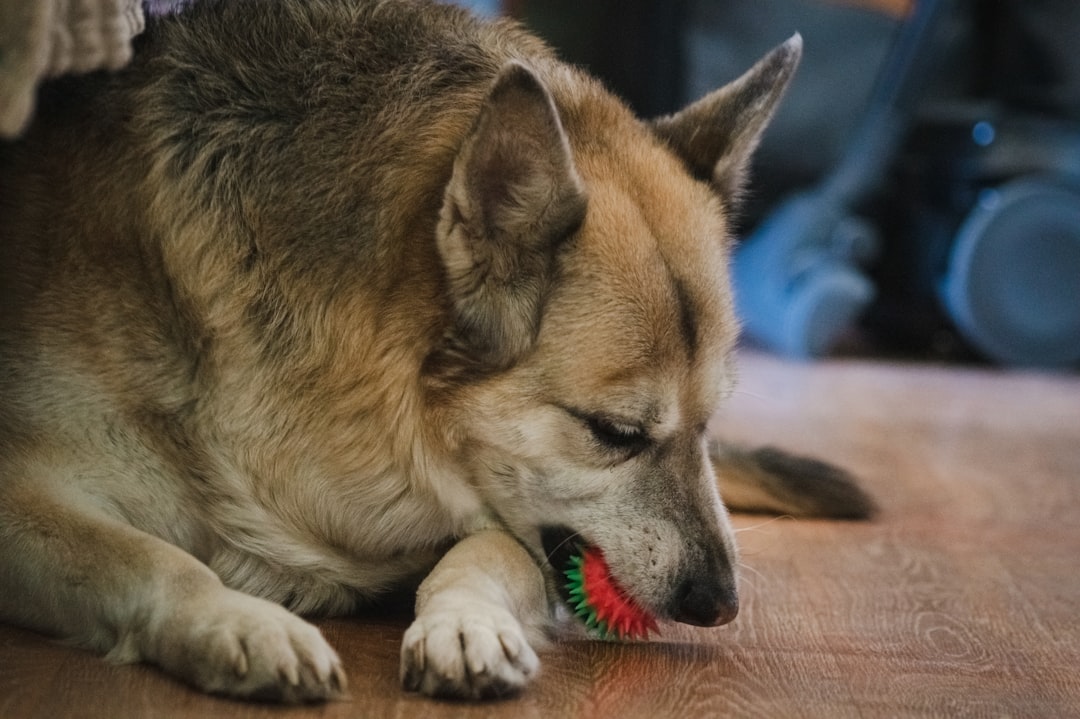
Key Takeaways
- The psychological and instinctual reasons behind object-carrying greeting behavior
- How to encourage appropriate greeting rituals while managing destructive tendencies
- Training techniques to redirect excessive excitement into calmer greetings
- Safety considerations for dogs who grab inappropriate or dangerous objects
- When greeting behaviors indicate anxiety or obsessive tendencies
You walk through the front door after a long day of work and are immediately met by a whirlwind of fur, a wagging tail, and a dog desperately searching for a shoe, a toy, or even a random sock to present to you. These dog greeting rituals are among the most endearing yet puzzling behaviors exhibited by our canine companions. While it may seem like a simple act of gift-giving, the act of a dog seeking out an object the moment you arrive is rooted in complex psychology, ancestral instincts, and emotional regulation. Understanding why your dog performs this welcome dance is the first step in ensuring your homecomings remain joyful rather than chaotic.
The Psychology and Instinct Behind Dog Carrying Objects
When we look at why a dog feels the need to have something in their mouth during a reunion, we have to look at their evolutionary history. According to the American Kennel Club (AKC), many breeds - particularly retrievers and spaniels - were specifically bred to carry items. For these dogs, carrying an object is a self-soothing mechanism. This specific dog welcome behavior is often categorized as a "displacement behavior." When a dog is overwhelmed with the intense joy of your return, they have a massive surge of energy that needs an outlet. By redirecting that energy into finding and holding an object, they can manage their physiological arousal levels.
From a psychological perspective, this behavior can also be a form of "appeasement." In the wild, lower-ranking members of a pack might offer food or non-threatening gestures to more dominant members to signal peace. In a domestic setting, your dog isn't necessarily seeing you as a "pack leader" in the outdated sense, but they are acknowledging a social bond. Bringing you a "gift" is a way to initiate a positive social interaction while keeping their own excitement in check. It provides them with a "job" to do, which can be immensely comforting for a high-drive dog.
Understanding Dog Mouth Behavior and Genetic Heritage
The way a dog interacts with the world is primarily through their mouth. This dog mouth behavior is an essential part of how they explore textures, show affection, and communicate. For many dogs, the physical sensation of holding something soft or familiar helps release endorphins. This is why you might notice your dog "muffling" their barks through a stuffed toy or gently gnawing on the object while they wiggle their entire body in greeting.
Genetic heritage plays a massive role in how these canine greeting habits manifest. A Golden Retriever or a Labrador is genetically hardwired to have a "soft mouth," meaning they can carry delicate items without damaging them. However, even breeds not typically associated with retrieving may adopt this habit because they have learned that it gets a positive reaction from their owners. If you have ever laughed, petted, or praised your dog when they brought you a toy, you have reinforced the behavior. You can learn more about how different breeds process sensory information by exploring our guides on dog health.
Effective Dog Training for Calmer Greetings
While bringing a toy is usually harmless, it can sometimes escalate into over-excitement, jumping, or "mouthing" the owner's hands instead of an object. This is where consistent Dog Training becomes vital. The goal of Dog Training in this context is not to suppress the dog's joy, but to provide a structured outlet for it. One of the most effective techniques is the "Go Get a Toy" command.
To implement this, you should keep a basket of designated "greeting toys" near the entryway. As soon as you enter, if the dog begins to jump or nip at your clothes, calmly give the command to find a toy. By giving the dog a specific task, you transition them from a reactive state to a focused state. This form of dog excitement training helps the dog understand that the reward (your attention) only comes once they have their "gift" in their mouth. Professionals certified by the Certification Council for Professional Dog Trainers (CCPDT) emphasize that rewarding the "quiet hold" rather than the frantic search is key to a peaceful entryway. For more structured advice on managing your pet's education, visit our dedicated section on dog training.
Managing Destructive Tendencies and Redirection
Not every dog chooses a plush toy as their greeting object. Many owners find themselves playing a daily game of "retrieve the expensive leather shoe" or "save the decorative pillow." This happens because the dog chooses the most "valuable" item they can find - often something that smells strongly of their owner. While this is a compliment to your scent, it can be destructive.
To manage this, you must prioritize environmental management. Keep shoes in closets and pillows out of reach until the greeting ritual is over. If your dog does grab an inappropriate item, avoid chasing them. Chasing turns the greeting into a high-stakes game of keep-away, which only increases the dog's adrenaline. Instead, practice a "trade" using high-quality treats. Offering a healthy snack can entice the dog to drop the forbidden item willingly. For information on the best rewards to use during these sessions, check out our resources on dog nutrition.
Safety Considerations for Dogs Who Grab Inappropriate Objects
Safety should always be a priority when managing dog greeting rituals. Some dogs, in their rush to find something to hold, may grab dangerous items like TV remotes, children's toys with small parts, or even kitchen utensils. VCA Hospitals warns that "pica" or the ingestion of non-food items can lead to dangerous intestinal blockages. If your dog has a habit of actually swallowing the items they find during their greeting frenzy, this is a medical and behavioral emergency.
Ensure that the objects available for your dog to carry are size-appropriate and durable. Avoid toys with small squeakers that can be easily popped out and swallowed in the heat of the moment. If you have a multi-pet household, be aware that greeting rituals can sometimes spark "resource guarding" between pets. If one dog brings a toy and the other tries to take it, the resulting tension can lead to a conflict. In these cases, it may be best to greet each dog individually or ensure there are plenty of identical toys available to prevent competition.
When Greeting Behaviors Indicate Anxiety or Obsessive Tendencies
While most gift-giving is a sign of affection, there is a line where a ritual becomes a compulsion. According to PetMD, some dogs may exhibit signs of Obsessive-Compulsive Disorder (OCD) or severe separation anxiety that manifests through their mouth behavior. If your dog cannot settle down for 15-20 minutes after you arrive, or if they pace and whine frantically if they cannot find an object, it may indicate a deeper underlying issue.
Anxious dogs might also display "displacement grooming" or flank sucking alongside their greeting rituals. If the behavior seems driven by panic rather than joy, it is important to consult a veterinarian or a certified animal behaviorist. Sometimes, these behaviors are linked to physical discomfort or cognitive decline in older pets. Maintaining a close eye on your pet's overall wellness is essential, and you can find more information on spotting these signs in our dog health section. Interestingly, while cats greet differently - often through scent marking and head butting - they also have their own ways of showing attachment, which you can read about in our cat behavior guides.
Encouraging a Lifetime of Happy Welcomes
In the end, a dog who brings you a toy is a dog who is trying to communicate their happiness in the best way they know how. By providing appropriate toys, using consistent Dog Training techniques, and maintaining a calm demeanor when you walk through the door, you can turn a frantic homecoming into a heartwarming ritual. Remember that your energy dictates the tone of the greeting. If you enter with high-pitched voices and rapid movements, your dog's excitement will mirror yours.
By mastering the art of the calm greeting, you strengthen the bond between you and your pet. Whether they bring you a soggy tennis ball or their favorite squeaky dragon, the act is a testament to the unique connection humans share with dogs. Keep their environment safe, provide them with the right outlets for their energy, and enjoy the many "gifts" your canine friend has to offer. For more tips on living a harmonious life with your pets, explore our cat care and dog health resources.
Frequently Asked Questions
Why does my dog bring me things when I come home?
Dogs often bring items as a form of gift-giving rooted in psychological and instinctual behaviors.
How can I manage my dog's excitement when greeting me?
Training techniques can help redirect excessive excitement into calmer greetings to ensure a joyful reunion.
What safety considerations should I keep in mind for my dog?
Be cautious of inappropriate objects your dog may grab during greetings to avoid dangers.
Related Articles
Sources
Reviewed by Melissa Schalles, LVT