
Dog Crate Training: The Complete Guide to Stress-Free Crate Training
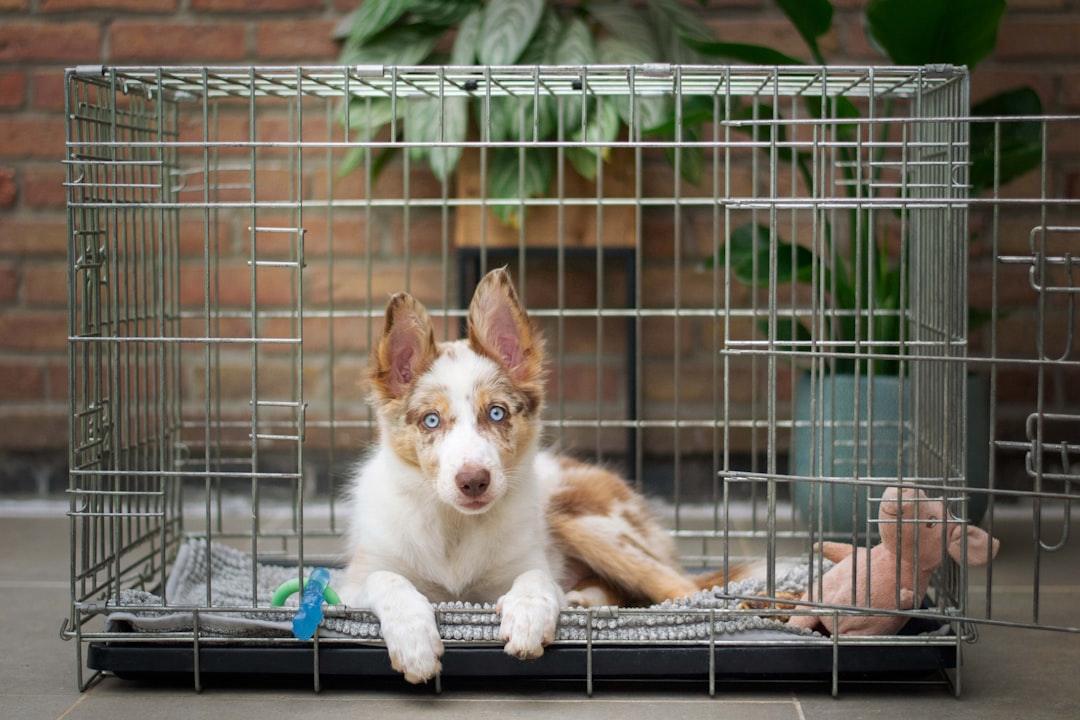
Key Takeaways
- How to choose the right crate size and type for your dog
- Step-by-step crate training process for puppies vs adult dogs
- Creating positive crate associations and avoiding common mistakes
- Troubleshooting crate training problems like whining and anxiety
- Proper crate training schedule and duration guidelines
Mastering dog crate training is one of the most rewarding steps you can take to ensure your canine companion feels secure and well-adjusted in your home. While some owners worry that a crate feels like a cage, this essential tool actually taps into a dog's natural instinct as a den animal. When introduced correctly, a crate becomes a private sanctuary where your dog can retreat for rest, safety, and peace of mind. Beyond comfort, a crate is an invaluable tool for housebreaking, preventing destructive behavior, and ensuring safe travel.
Effective crate training requires patience, consistency, and a positive approach. By following a structured plan, you can transform the crate from a metal box into a favorite sleeping spot. This guide, reviewed by pet experts, will walk you through the nuances of choosing the right equipment, establishing a routine, and overcoming the most common hurdles faced by pet parents today.
Finding the Perfect Fit: Choosing the Right Crate
Before you begin the process of learning how to crate train your dog, you must select the appropriate equipment. The crate should be a place of comfort, not a cramped enclosure. According to the American Kennel Club (AKC), the most important factor is size. Your dog should be able to stand up, turn around in a full circle, and lie down comfortably with their legs extended. However, if a crate is too large, a puppy may use one corner as a bedroom and the other as a bathroom, which defeats the purpose of housebreaking.
There are several types of crates to consider based on your dog's personality and your lifestyle:
- Wire Crates: These are popular because they offer excellent ventilation and allow your dog to see what is happening around them. Many wire crates come with divider panels, allowing you to adjust the size as your puppy grows.
- Plastic Crates: Often used for airline travel, these crates are more enclosed and provide a darker, more den-like feel that some dogs prefer for sleeping.
- Soft-Sided Crates: These are lightweight and portable, making them ideal for well-trained dogs during travel, but they are not recommended for chewers or puppies who are still learning the ropes.
Placement is also key. The crate should be located in a lived-in part of the house, such as the living room, so your dog does not feel isolated from the "pack." For more tips on setting up your home for a new arrival, you can explore our resources on dog training to create a cohesive environment.
The Core Foundations of Dog Training: Step-by-Step Crate Success
Effective dog training relies on gradual exposure and positive reinforcement. Whether you are working with a young pup or a rescued senior, the goal is to make the crate a "happy place." Experts at VCA Hospitals suggest a four-step approach to ensure the transition is stress-free.
The first step is the introduction. Prop the door open and let your dog explore the crate at their own pace. Drop small, high-value treats near the entrance, then just inside, and finally at the very back. Never force your dog into the crate; let their curiosity lead the way. You can even place their favorite toy inside to entice them.
The second step involves feeding meals in the crate. This builds a strong positive association between the crate and something your dog loves: food. If your dog is hesitant, place the bowl just inside the door. Over several feedings, move the bowl further back until they are eating comfortably at the rear of the crate. Once they are relaxed while eating, practice closing the door for short intervals, opening it as soon as they finish their meal.
The third step is lengthening the crating periods. Once your dog is comfortable eating in the crate with the door closed, begin crating them for short periods while you are home. Call them to the crate, give a treat, and use a command like "kennel" or "crate." Sit quietly near the crate for a few minutes, then go into another room for a moment before returning. Gradually increase the time you are out of sight from minutes to an hour.
The final step is crating your dog when you leave the house or at night. Once your dog can stay relaxed in the crate for about 30 minutes while you are in another room, you can begin crating them for short errands. Remember to keep departures and arrivals low-key to prevent anxiety. While you focus on these behavioral milestones, ensure your pet's overall dog health is maintained through regular vet visits and exercise.
Creating Joyful Spaces: Crate Training Tips for Success
The secret to successful dog crate training lies in the details. To make the environment as inviting as possible, consider the bedding. Most dogs appreciate a soft crate mat or an old blanket, though persistent chewers might need a more durable, chew-proof bed. Providing a "pacifier" toy, like a rubber KONG stuffed with frozen peanut butter, can keep your dog occupied and help them settle down.
Here are some essential crate training tips to keep in mind:
- Never use the crate as punishment: If you send your dog to their crate when you are angry, they will learn to fear it rather than see it as a safe space.
- Remove collars and tags: For safety, it is often recommended to remove your dog's collar before crating them to prevent the tags or buckle from getting caught on the wire mesh.
- Keep it quiet: While you want the crate in a social area, it should not be directly next to a loud television or a high-traffic hallway where people are constantly bumping into it.
- Use high-value rewards: Only give certain special treats when your dog goes into the crate. This makes the "crate experience" feel exclusive and rewarding.
- Mind what is stored near the crate: Avoid placing items on top of or near the crate that your pet could reach. Loose items such as cords, leashes, blankets, or other objects hanging within reach pose a serious risk — your pet could become entangled and potentially hang themselves, chew on something harmful, or get caught on an object. Always ensure the area immediately surrounding the crate is clear of any potential hazards.
Additionally, remember that physical and mental stimulation are vital. A tired dog is a well-behaved dog. Before any long crating period, ensure your pet has had a walk or a play session. Proper dog nutrition also plays a role in behavior; a dog that is well-fed with high-quality ingredients is less likely to be irritable or restless.
Troubleshooting Dog Crate Anxiety and Whining
One of the most difficult parts of the process for pet owners is dealing with vocalization. When you hear your puppy crying, your instinct is to let them out, but this can inadvertently teach them that whining is the key to freedom. According to the ASPCA, you must distinguish between a dog who needs a bathroom break and a dog who is simply testing boundaries.
If your dog starts whining after being in the crate for a while, they may need to go outside. Use a specific "potty cue," take them out on a leash to their designated spot, and then bring them right back to the crate. If the whining is for attention, the best strategy is to ignore it. Wait for a moment of silence-even just five seconds-before opening the door and offering praise. This reinforces that quiet behavior, not noise, gets results.
However, if your dog exhibits signs of true dog crate anxiety, such as heavy panting, excessive drooling, frantic scratching at the door, or attempts to escape that result in injury, you may be dealing with separation anxiety. In these cases, the crate might actually increase their panic. Certified trainers from the CCPDT (Council for Certified Professional Dog Trainers) often recommend working with a professional behaviorist to desensitize the dog to confinement or exploring alternative options like exercise pens.
Mastering the Clock: Your Dog Crate Schedule and Duration
A consistent dog crate schedule is the backbone of housebreaking and helps your dog understand what to expect throughout the day. Puppies have limited bladder control and cannot be expected to stay in a crate for long periods. A general rule of thumb is that a puppy can hold their bladder for one hour for every month of age (e.g., a two-month-old puppy can manage about two hours).
Here is a recommended guideline for maximum crating durations based on age:
- 8-10 weeks: 30-60 minutes
- 11-14 weeks: 1-3 hours
- 15-16 weeks: 3-4 hours
- 17 weeks and older: 4-6 hours (maximum)
An adult dog should never be left in a crate for more than 6 to 8 hours during the day, and they must receive plenty of exercise and social interaction before and after. A sample schedule for a crate training puppy might include a potty break immediately upon waking, breakfast in the crate, a play session, and then a mid-morning nap in the crate. Repeat this cycle throughout the day to build a predictable rhythm.
Establishing this routine helps reduce stress and prevents accidents in the house. If your work schedule requires you to be away for longer than the recommended limits, consider hiring a dog walker or asking a neighbor to drop in for a mid-day break.
Crate training is a journey that requires time and empathy, but the result is a dog that feels safe and a home that remains orderly. By choosing the right crate, following a gradual training process, and maintaining a consistent schedule, you provide your dog with a valuable lifelong skill. Stay patient, keep your sessions positive, and remember that the goal is to build a bond of trust between you and your pet.
Frequently Asked Questions
What is the best crate size for my dog?
Your dog should be able to stand up, turn around, and lie down comfortably in the crate.
How do I create positive crate associations?
Use treats and toys to encourage your dog to enter the crate happily.
What should be included in a crate training schedule?
Establish a routine for crate time as well as playtime and exercise.
Related Articles
Sources
Reviewed by Melissa Schalles, LVT