
Dog Crate Training: Complete Guide to Success for Any Age
Key Takeaways
- Step-by-step crate training process for puppies and adult dogs
- How to choose the right crate size and type for your dog
- Creating positive associations and preventing crate anxiety
- Troubleshooting common crate training problems and setbacks
- Establishing the ideal crate training schedule and timeline
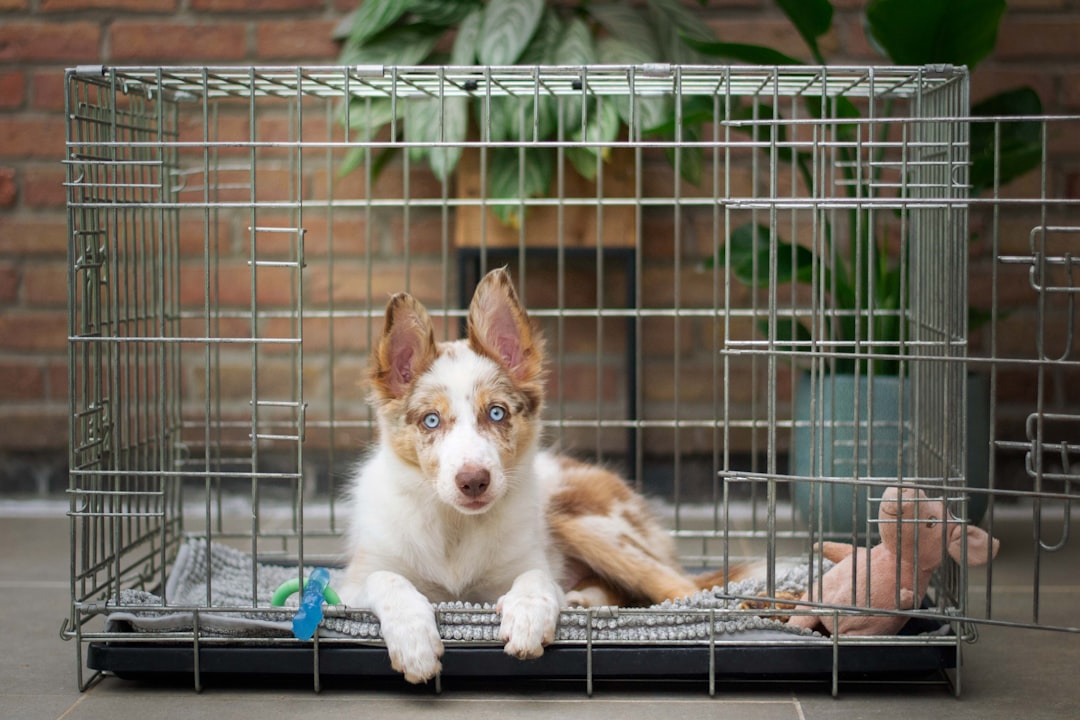
Mastering dog crate training is one of the most beneficial gifts you can provide for your pet, as it offers them a secure "den" where they can feel safe and relaxed. While some owners may initially feel hesitant about using a crate, professional organizations like the American Kennel Club (AKC) emphasize that, when used correctly, a crate taps into a dog's natural instinct to seek out a small, protected space. Whether you are bringing home a brand-new puppy or working with a rescue, a successful dog crate training program serves as the foundation for housebreaking, preventing destructive behavior, and ensuring your pet's safety when you cannot supervise them directly. By focusing on positive reinforcement and patience, you can transform the crate from a simple cage into a preferred sanctuary for your four-legged companion.
Selecting the Best Crate for Your Pet’s Comfort
Choosing the right crate is the first step toward a successful experience. If the crate is too small, your dog will be uncomfortable; if it is too large, they may feel insecure or use one corner as a bathroom. Experts at Tufts University recommend selecting a crate that allows your dog to stand up, turn around in a full circle, and lie down comfortably with their legs extended. For those training a puppy, consider purchasing a "life-stage" crate that includes a divider panel. This allows you to adjust the living space as the puppy grows, ensuring the crate remains the appropriate size throughout their development.
There are several types of crates to choose from, each with its own advantages. Wire crates are popular because they are collapsible, easy to clean, and provide excellent ventilation and visibility. Plastic "airline-style" crates offer more privacy and can feel cozier for dogs who prefer a more enclosed space, though they can be bulkier to store. Soft-sided crates are lightweight and great for travel with dogs who are already well-trained, but they are not recommended for chewers or high-energy puppies. Regardless of the material, the goal is to create a functional space that complements your home and your dog’s specific needs. For more information on creating a healthy home environment, you can explore our resources on overall dog health.
Building Positive Associations and Reducing Dog Crate Anxiety
The most common reason for failure in this process is rushing the introduction, which can lead to significant dog crate anxiety. To prevent this, you must ensure your dog views the crate as a place where good things happen. Start by placing the crate in a high-traffic area, like the living room, so your dog doesn't feel isolated. Leave the door open and place high-value treats or their favorite toys near the entrance. Gradually move the treats further inside until your dog is comfortable walking all the way in to retrieve them.
According to the ASPCA, feeding your dog their regular meals inside the crate is one of the fastest ways to build a positive association. If your dog is hesitant, place the food bowl just inside the door. Over several days, move the bowl further back. Once they are eating comfortably at the very back of the crate, you can experiment with closing the door for a few seconds at a time, opening it before they finish their meal. Never use the crate as a form of punishment; if your dog associates the crate with being "in trouble," they will develop a fear of the space that is very difficult to reverse. Instead, use the crate as a tool for relaxation, paired with mental stimulation like a food-stuffed rubber toy.
A Step-by-Step Guide to Effective Dog Training and Crating
The process of dog training requires consistency and a gradual increase in difficulty. Whether you are focusing on crate training puppy basics or working on adult dog crate training, the steps remain largely the same, though adult dogs may require more time if they have had negative past experiences.
- The Introduction: Allow your dog to explore the crate at their own pace. Use a happy tone of voice and reward every interaction they have with the crate, even if it’s just a sniff.
- The First Closing: Once your dog is comfortable being inside, close the door for just a few seconds while you are sitting right next to them. Praise them and let them out while they are calm.
- Increasing Duration: Gradually increase the time the door is closed. Start moving away from the crate, eventually leaving the room for short periods. If your dog begins to whine, you may have progressed too fast. Wait for a moment of silence before opening the door to avoid rewarding the whining.
- Short Departures: Once your dog can stay in the crate for 30 minutes while you are in another room, you can begin leaving the house for short intervals.
For adult dogs, the "denning" instinct is already established, but they may have more ingrained habits. The Certification Council for Professional Dog Trainers (CCPDT) suggests that adult dogs may benefit from having the crate covered with a light blanket to create a more secluded environment. If you find your dog is struggling with the transition, revisiting basic obedience and comprehensive dog training techniques can help build the necessary focus and trust.
Establishing a Consistent Crate Training Schedule
A predictable crate training schedule is the "secret sauce" for success, particularly for housebreaking. Puppies have limited bladder control-typically one hour for every month of age. A schedule ensures they are taken outside frequently enough to avoid accidents. For a young puppy, a typical day might involve a potty break immediately upon waking, followed by breakfast, a play session, and then a 1–2 hour nap in the crate. This cycle repeats throughout the day, ensuring the puppy learns that the crate is for rest and the outdoors is for bathroom breaks.
Adult dogs can generally hold their bladder longer, but they still benefit from a routine. A mature dog should not be crated for more than 6–8 hours during the day, and they must receive ample exercise before and after their time in the crate. Integrating the crate into your daily rhythm helps the dog understand when it is time to be active and when it is time to settle down. Remember that a dog’s energy levels are also influenced by their diet; providing proper dog nutrition ensures they have the right balance of energy for training sessions and calmness for crate time.
Practical Crate Training Tips for Common Challenges
Even with the best preparation, you may encounter setbacks. One of the most common crate training tips for dealing with a whining dog is to differentiate between "I need to go potty" and "I want attention." If your dog has been in the crate for a while and starts to fuss, take them outside on a leash to their designated potty spot. Keep the interaction boring-no playing, no talking. If they go, reward them; if they don't, put them back in the crate. This teaches them that whining only results in a boring bathroom break, not a play session.
If you notice signs of extreme distress-such as heavy panting, frantic clawing at the door, or attempts to chew through the bars-your dog may be suffering from separation anxiety rather than simple crate hesitation. In these cases, it is vital to consult with a veterinarian or a certified animal behaviorist. Tufts University researchers note that some dogs with severe anxiety may actually injure themselves in a crate, and alternative confinement methods, like an X-pen or a dog-proofed room, may be necessary. Always prioritize your dog's safety and mental well-being over the strict adherence to a training method.
Consistency is the final piece of the puzzle. Ensure everyone in the household is using the same cues and following the same rules. If one person lets the dog out when they bark and another person waits for silence, the dog will become confused and the training will stall. By staying patient and maintaining a positive attitude, you will eventually reach a point where your dog voluntarily retreats to their crate for a nap, signaling that your training has been a success.
Successfully crate training your dog takes time and dedication, but the reward is a well-adjusted, confident pet who has a space of their own. Start slowly, keep sessions positive, and always listen to what your dog’s body language is telling you. With a solid routine and the right tools, you can ensure that the crate becomes a beloved part of your dog’s daily life.
Frequently Asked Questions
What is dog crate training?
Dog crate training involves teaching your dog to view their crate as a safe space and comfortable den.
How do I reduce crate anxiety in my dog?
To reduce crate anxiety, ensure your dog sees the crate as a positive place by using treats and toys.
When should I start crate training my puppy?
You can start crate training your puppy as soon as you bring them home.
Related Articles
Sources
Reviewed by Melissa Schalles, LVT