
Best Cat Food for Indoor Cats: Nutrition Guide for Less Active Felines
Key Takeaways
- Nutritional differences between indoor and outdoor cat needs
- Key ingredients to look for in indoor cat formulas
- Calorie control and weight management for sedentary cats
- Best dry and wet food options for indoor cats
- Exercise and enrichment tips to complement proper nutrition
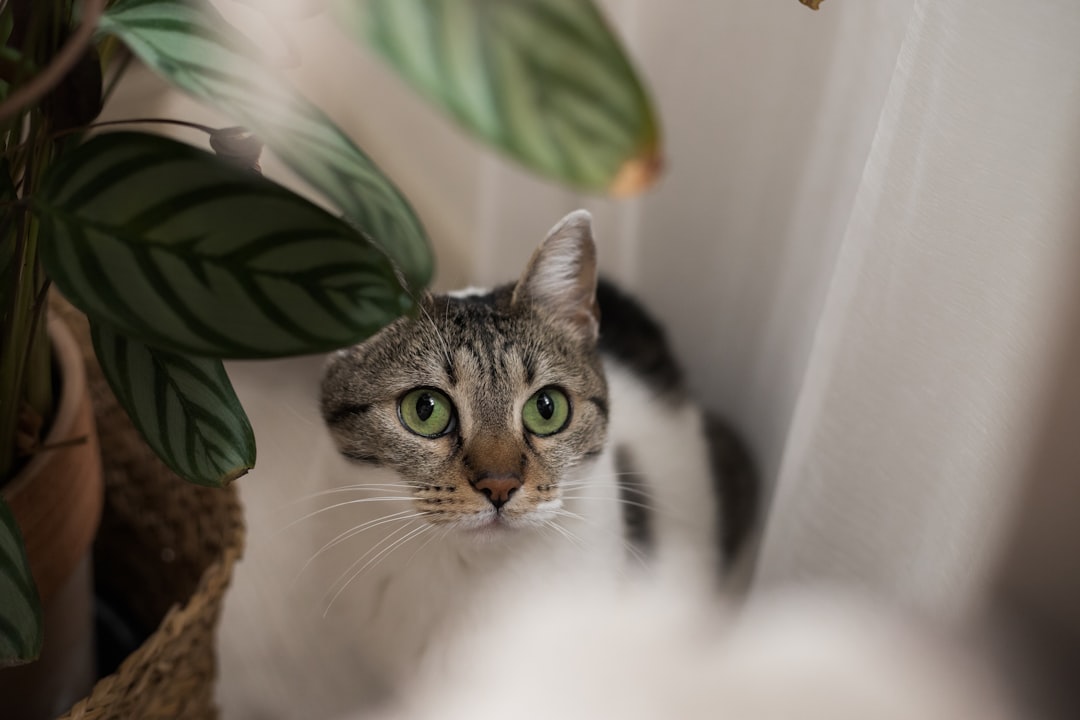
Living the indoor life offers our feline companions a safe, cozy environment away from the dangers of the outside world, such as traffic, predators, and infectious diseases. However, this lifestyle shift significantly impacts their physiological requirements, meaning that finding the best cat food for indoor cats is essential for their long-term health. Because indoor pets generally have lower activity levels than their roaming counterparts, their diet must be carefully tailored to prevent unnecessary weight gain and support their unique metabolic needs.
Understanding Indoor Cat Nutrition Needs and Metabolism
When we talk about cat nutrition, we are looking at a complex balance of proteins, fats, vitamins, and minerals. For an indoor cat, the energy balance is the most critical factor. Outdoor cats spend hours each day patrolling territory, climbing trees, and hunting, which burns a significant amount of calories. In contrast, most indoor cats spend the majority of their day lounging in sunbeams or napping on the sofa. According to experts at PetMD, an indoor cat may require roughly 20 percent fewer calories than an active outdoor cat.
If an indoor cat consumes the same calorie-dense diet as an outdoor cat, the surplus energy is stored as fat. This leads to a common problem in the feline community: the "indoor cat paradox," where cats live longer due to safety but face a higher risk of metabolic issues. Proper indoor cat nutrition needs to account for this reduced thermoregulation and movement. Their bodies do not have to work as hard to maintain body temperature in a climate-controlled home, further reducing their caloric expenditure.
To support a healthy metabolism, indoor-specific formulas often focus on high-quality, lean proteins. Since cats are obligate carnivores, they must get their essential amino acids from animal sources. However, the fat content in these formulas is typically lower to prevent weight creep. When looking for the best cat food for indoor cats, you should prioritize recipes that list a specific animal protein - such as chicken, turkey, or whitefish - as the first ingredient, ensuring your cat maintains muscle mass without excess padding.
Key Ingredients for a Healthy Indoor Cat Diet
Crafting the ideal indoor cat diet involves more than just cutting calories; it requires a strategic selection of functional ingredients. One of the most common issues for indoor cats is the prevalence of hairballs. Because indoor cats spend a large portion of their sedentary time grooming, they ingest significant amounts of loose fur. Indoor-specific foods often include higher levels of natural fiber, such as beet pulp, powdered cellulose, or miscanthus grass. As noted by International Cat Care (iCatCare), these fibers help move hair through the digestive tract more efficiently, reducing the frequency of regurgitated hairballs.
Another vital ingredient to look for is L-carnitine. This vitamin-like compound plays a crucial role in fat metabolism by helping the body transport fatty acids into cells to be burned for energy. By including L-carnitine, manufacturers help sedentary cats maintain a leaner body condition even with lower activity levels. Furthermore, antioxidants like Vitamin E and Vitamin C are important for supporting the immune system of a cat that may not be exposed to the natural environmental challenges that outdoor cats face.
Prebiotics and probiotics are also becoming staples in high-quality cat nutrition. A healthy gut microbiome is essential for indoor cats, as it aids in digestion and can even help reduce the odor of the litter box - a benefit every indoor cat owner can appreciate. Look for ingredients like chicory root or dried fermentation products on the label. If you are also a dog owner, you might notice similar trends in dog nutrition, where gut health is a top priority for overall wellness.
Preventing Obesity in Cats Through Calorie Control
Obesity is arguably the biggest health threat to indoor felines today. According to Banfield Pet Hospital, over 50 percent of cats seen by veterinarians are overweight or obese. This condition can lead to serious secondary health issues, including feline diabetes, osteoarthritis, and hepatic lipidosis (fatty liver disease). Therefore, preventing obesity in cats should be the primary goal of any indoor feeding strategy.
The most effective tool for weight management is portion control. Many owners make the mistake of "free-feeding," or leaving a bowl of dry food out at all times. For a cat with a low metabolic rate, this often leads to overconsumption out of boredom rather than hunger. Instead, use a standard measuring cup or, even better, a digital kitchen scale to provide precise meals. The feeding guidelines on the back of the bag are just a starting point; you should adjust the amount based on your cat's body condition score and activity level.
If your cat is already carrying extra weight, transitioning to a specialized weight management cat food can be life-saving. These formulas are designed to be "nutrient-dense but calorie-light." This means they provide all the essential vitamins and minerals your cat needs while using air-popped kibble or increased fiber to help the cat feel full on fewer calories. Managing your pet's cat-care involves monitoring their waistline as much as their whiskers; you should be able to feel your cat's ribs easily under a thin layer of fat and see a visible "tuck" at the waist when looking from above.
Wet vs. Dry: Finding the Best Low Calorie Cat Food
One of the most debated topics in feline health is whether wet or dry food is superior. For indoor cats, there are benefits to both, and many veterinarians recommend a "mixed feeding" approach. Dry food is convenient and can help with dental health by reducing plaque buildup, but it is often higher in carbohydrates and calories per gram than wet food.
Wet food, on the other hand, is an excellent choice for a low calorie cat food option. Because wet food is approximately 75 to 80 percent water, it is naturally less calorie-dense by volume. This allows your cat to eat a larger portion while consuming fewer calories, which is vital for satiation. Furthermore, indoor cats are notorious for having a low "thirst drive." In the wild, cats get most of their hydration from their prey. An indoor cat eating only dry kibble may live in a state of mild dehydration, which can lead to urinary tract infections or kidney issues.
Research from Hill's Pet indicates that increasing water intake through wet food can help dilute the urine and prevent the formation of crystals and stones, a common problem in sedentary males. If your cat prefers dry food, you can still support their cat-nutrition by adding a little warm water or unsalted bone broth to their kibble to increase moisture. Regardless of the format, ensure the food is labeled as "complete and balanced" by the AAFCO (Association of American Feed Control Officials) to guarantee it meets all basic health requirements.
Beyond the Bowl: Exercise for Sedentary Cats
A proper diet is only half of the health equation. To truly optimize your cat's well-being, you must complement their nutrition with physical and mental stimulation. Since indoor cats do not have the natural stimulation of the outdoors, they can become lethargic and depressed, leading to "stress eating" or destructive cat-behavior.
To encourage movement, try to "make them hunt" for their food. Instead of a standard bowl, use food puzzles or treat-dispensing toys that require your cat to bat, nudge, or solve a problem to get their meal. This mimics the natural predatory sequence and provides mental enrichment while slowing down their eating pace. Interactive play sessions are also vital. Dedicate at least 15 to 20 minutes a day to play using wand toys, laser pointers (followed by a physical toy they can "catch"), or motorized mice.
Climbing is another natural behavior that burns calories. Providing vertical space, such as cat trees, wall-mounted shelves, or window perches, encourages your cat to jump and stretch, which maintains muscle tone and joint flexibility. By combining the best cat food for indoor cats with an active environment, you create a holistic lifestyle that prevents the sluggishness often associated with indoor living.
Choosing the Right Path for Your Indoor Cat
Ensuring your indoor cat stays healthy requires a proactive approach to their unique dietary needs. By focusing on high-fiber, high-protein, and calorie-controlled formulas, you can prevent the common pitfalls of a sedentary lifestyle. Remember that every cat is an individual; what works for a playful Siamese might be too much for a mellow British Shorthair. Always consult with your veterinarian before making significant changes to your pet's diet, especially if they have underlying health conditions. With the right balance of portion-controlled nutrition and daily exercise, your indoor cat can enjoy a vibrant, active, and long life by your side.
Frequently Asked Questions
What are the nutritional needs of indoor cats?
Indoor cats generally require about 20 percent fewer calories than outdoor cats due to lower activity levels.
What key ingredients should be in indoor cat food?
Look for high-quality proteins like chicken or turkey as the first ingredient, and functional fibers to help manage hairballs.
How can I manage my indoor cat's weight?
Provide controlled portions of food low in calories and encourage exercise to prevent weight gain.
Related Articles
Sources
Reviewed by Melissa Schalles, LVT