
Best Dog Food for Senior Dogs: Complete Nutrition Guide
Key Takeaways
- Nutritional changes needed as dogs age
- Key ingredients to look for in senior dog foods
- Managing weight and mobility issues through diet
- Special considerations for common senior health conditions
- Transitioning from adult to senior dog food
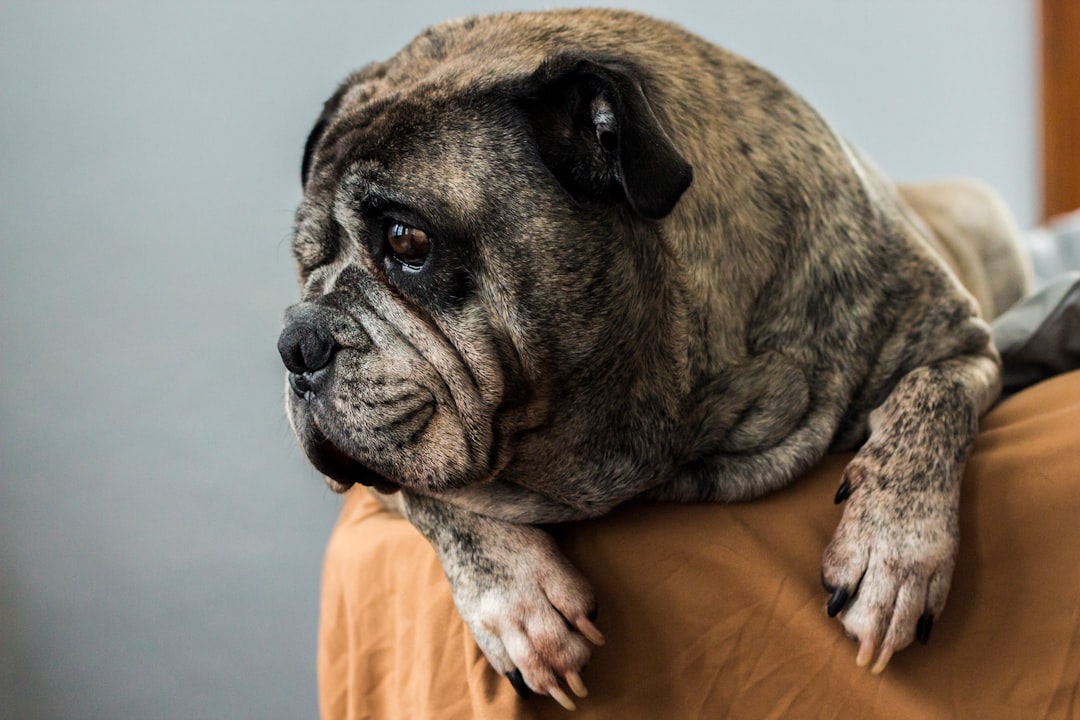
Watching your furry friend enter their golden years is a poignant experience for any pet owner. As your companion slows down, choosing the right senior dog food becomes one of the most impactful decisions you can make to ensure those years are comfortable, vibrant, and healthy. While a graying muzzle and a bit more napping are normal parts of the aging process, their internal biological needs are shifting significantly. Providing the correct balance of vitamins, minerals, and calories is the foundation of proactive senior care.
Understanding Dog Nutrition for the Golden Years
The field of dog nutrition has advanced significantly, moving away from a one-size-fits-all approach toward life-stage-specific formulas. According to experts at the American Kennel Club (AKC), dogs are generally considered "senior" when they reach the last quarter of their expected lifespan, which for most breeds is around age seven or eight. At this stage, their metabolic rate begins to decrease, and their immune system may not be as robust as it once was.
Unlike human nutrition, there is no official "senior" nutrient profile established by the Association of American Feed Control Officials (AAFCO). This means that a bag labeled for older dogs might have very different ingredients than another. However, most veterinarians agree that older dogs require a diet that is highly digestible and nutrient-dense. The goal is to provide enough energy to maintain a healthy weight without overloading the organs, particularly the kidneys and liver.
Research from the Cummings School of Veterinary Medicine at Tufts University emphasizes that while some senior dogs need fewer calories because they are less active, others may actually require more calories if they have trouble maintaining their body condition or absorbing nutrients. This highlights why understanding your specific pet's needs is more important than simply grabbing any bag off the shelf. You can find more foundational information on general dietary needs in our comprehensive guide to dog nutrition.
Key Ingredients to Look for in Senior Dog Foods
When evaluating senior dog food, the ingredient label is your most valuable tool. A high-quality diet for an aging dog should prioritize high-quality animal proteins. There was once a misconception that all senior dogs should be on low-protein diets to protect their kidneys, but modern veterinary science, including research from PetMD, suggests otherwise. Unless a dog has diagnosed kidney disease, they actually need high-quality protein to maintain muscle mass and support the immune system.
Look for the following beneficial ingredients:
- Omega-3 Fatty Acids: Found in fish oil or flaxseed, these are essential for reducing inflammation, supporting brain health, and keeping the coat shiny.
- Glucosamine and Chondroitin: These are the building blocks of joint cartilage. Including them in the diet can help manage the natural wear and tear that occurs in senior joints.
- Antioxidants: Ingredients like blueberries, spinach, and Vitamin E help combat oxidative stress and support the aging immune system.
- Fiber: Increased fiber from sources like beet pulp or pumpkin helps with digestion and keeps older dogs feeling full, which is vital for weight management.
- MCTs (Medium-Chain Triglycerides): Some premium senior formulas include MCTs, often derived from coconut oil, which have been shown to improve cognitive function in aging canines.
While many of these ingredients are also discussed in our resources for cat nutrition, dogs have unique metabolic pathways that require specific ratios of these nutrients to thrive. Always ensure that the "meat" listed is a specific animal source, such as chicken or lamb, rather than a generic "meat meal."
Managing Weight and Mobility with Elderly Dog Nutrition
One of the most common challenges in elderly dog nutrition is the "middle-age spread" that often transitions into senior obesity. Carrying extra weight puts immense pressure on aging joints and increases the risk of metabolic diseases. Conversely, some very old dogs may suffer from sarcopenia, which is the natural loss of muscle mass associated with aging.
To manage mobility, the diet must be calorie-controlled. If your dog has slowed down significantly, a food with lower fat content but high protein can help them stay lean while preserving muscle. If you notice your dog struggling to get up or avoiding stairs, it is crucial to consult your vet about their joint health. Diet alone can significantly impact these symptoms. For instance, diets enriched with EPA (an omega-3 fatty acid) have been shown to improve mobility in dogs with osteoarthritis.
Maintaining a healthy weight is the single best thing you can do to extend your dog's life. If you also share your home with feline friends, you might notice that weight management is a universal theme in pet care, as seen in our guide to cat care, but the caloric density needs of dogs are quite different. Regular weigh-ins at the vet and using a measuring cup for every meal - rather than "eyeballing" it - are essential habits for the owner of a senior dog.
Addressing Aging dog food needs and Health Conditions
As dogs reach their geriatric years, they often develop chronic health conditions that require specific dietary adjustments. Geriatric dog nutrition is not just about maintenance; it is about management. Common issues like heart disease, chronic kidney disease (CKD), and dental problems all dictate different aging dog food needs.
For dogs with heart issues, a diet low in sodium is often recommended to prevent fluid retention. For those with kidney concerns, a diet with controlled phosphorus levels and highly digestible (but not necessarily "low") protein is key. Dental health is another major factor; many senior dogs suffer from periodontal disease or missing teeth, making hard kibble difficult to chew. In these cases, switching to a high-quality canned food or adding warm water or bone broth to dry kibble can make a world of difference. It is important to understand that dental disease requires veterinary intervention and cannot be managed through diet alone. Routine dental care is extremely important for senior dogs, and you should have your veterinarian regularly monitor your dog's dental health with routine professional dental cleanings. This is critical because dental disease is not merely a mouth problem — left untreated, it can lead to serious issues affecting the heart, kidneys, and liver, contributing to broader organ disease and significantly impacting your dog's overall quality of life.
Cognitive Dysfunction Syndrome (CDS), often compared to dementia in humans, is another condition where diet plays a role. Foods enriched with antioxidants and fatty acids can help clear the "brain fog" that some senior dogs experience. If you are also managing a multi-pet household, you might find that the principles of geriatric care for dogs mirror some aspects of specialized cat-behavior management, particularly regarding environmental enrichment and routine, but the nutritional intervention remains the primary pillar of support for dogs.
How to Choose the Best Food for Old Dogs and Transition Safely
Finding the best food for old dogs involves more than just reading a label; it involves observing your dog's individual response to their diet. Once you and your veterinarian have identified the specific senior dog diet requirements for your pet, the transition to a new food must be handled with care.
Senior dogs often have more sensitive digestive systems than they did in their youth. A sudden change in diet can lead to upset stomachs, diarrhea, or a refusal to eat. Follow this seven-day transition schedule:
- Days 1-2: 75% old food, 25% new food.
- Days 3-4: 50% old food, 50% new food.
- Days 5-6: 25% old food, 75% new food.
- Day 7: 100% new food.
During this time, monitor your dog's stool consistency and energy levels. If you notice any vomiting or significant changes in behavior, slow the transition down. It is also important to maintain a consistent environment. Just as you might use specific techniques in dog-training to keep a dog's mind sharp, a consistent feeding routine provides the security an aging dog needs.
Furthermore, keep an eye on their hydration. Older dogs may have a decreased sense of thirst or may find it difficult to walk to the water bowl frequently. Ensure water is always fresh and easily accessible. For more information on maintaining your pet's overall wellbeing through every stage of life, visit our section on dog health, where you can explore our core articles on topics including dog nutrition, dog dental care, dog joint health, dog weight management, and cognitive dysfunction in senior dogs.
Choosing the right nutrition for your senior dog is a profound act of love. By focusing on high-quality protein, joint-supporting ingredients, and calorie control, you can help your dog enjoy their sunset years with minimal pain and maximum joy. Always consult with your veterinarian before making major dietary changes, as they can provide bloodwork and physical exams to pinpoint exactly what your dog's aging body requires. With the right bowl of food and a lot of love, your senior dog can continue to be a happy, healthy part of your family for years to come.
Frequently Asked Questions
What nutritional changes do senior dogs need?
As dogs age, their metabolic rate decreases, requiring more digestible and nutrient-dense food to maintain a healthy weight and support their immune system.
How can I manage my senior dog's weight?
Monitor calorie intake based on their activity level and adjust as needed to ensure they maintain a healthy weight without overloading their organs.
What key ingredients should I look for in senior dog foods?
Look for high-quality animal proteins, omega-3 fatty acids, glucosamine, and chondroitin to support joint health and overall nutrition.
Related Articles
Sources
- https://www.akc.org/expert-advice/nutrition/senior-dog-nutrition/
- https://vetmed.tufts.edu/petfoodology/senior-dogs/
- https://www.vet.cornell.edu/departments/cornell-feline-health-center/health-information/feline-health-topics/feeding-your-cat
- https://www.petmd.com/dog/nutrition/senior-dog-nutrition-guide
Reviewed by Melissa Schalles, LVT