
Kitten Feeding Guide: Complete Nutrition from Birth to Adult
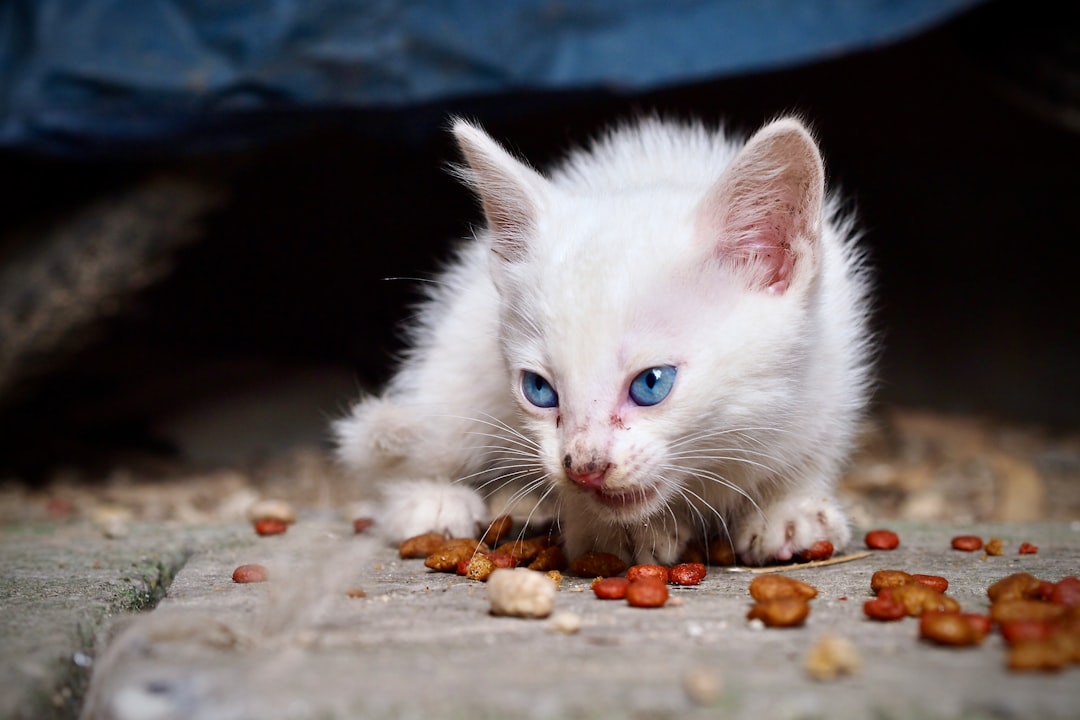
Key Takeaways
- Feeding orphaned kittens and bottle feeding techniques
- Weaning process and introducing solid food
- Kitten feeding schedules by age (weeks to months)
- Nutritional requirements for growing kittens
- When and how to transition to adult cat food
Bringing a new kitten into your home is one of the most rewarding experiences a pet owner can have, but ensuring they receive the right fuel for growth is a major responsibility. Before diving into feeding specifics, it is essential to understand how to calculate how much KMR (kitten milk replacer) to feed a kitten. Kittens must be weighed accurately — ideally using a kitchen or postal scale that measures in grams — so that the correct amount of formula can be determined based on their body weight. It is equally important to prepare KMR according to the manufacturer's instructions, as an incorrect mixture that is too dilute or too concentrated can lead to serious nutritional deficiencies or digestive complications. Following a proper kitten feeding guide ensures that your tiny feline friend grows into a strong, healthy adult cat with a robust immune system. In these early weeks and months, a kitten's body undergoes rapid changes that require specific caloric densities and nutrient profiles. This is a critical window for development where mistakes in diet can lead to long-term health issues. By understanding the nuances of feline development, you can set the foundation for a long, happy life through comprehensive cat care and attentive feeding practices.
Feeding Newborn Kittens and Bottle Feeding Techniques
When a mother cat is not available or is unable to nurse, the responsibility of feeding newborn kittens falls to the human caregiver. This is a delicate process because newborns are entirely dependent on milk for survival and lack the ability to regulate their own body temperature. According to the ASPCA, newborn kittens should never be fed cow's milk, as it does not contain the necessary nutrients and can cause severe digestive upset. Instead, you must use a high-quality kitten milk replacer (KMR) that mimics the nutritional profile of a mother cat's milk.
The technique for bottle feeding is just as important as the formula itself. Kittens should always be fed while lying on their stomachs, never on their backs like a human baby. Feeding a kitten on its back can cause them to inhale formula into their lungs, leading to aspiration pneumonia. Gently tilt the bottle so that the kitten can suckle at its own pace. It is also vital to ensure the formula is warmed to approximately 100 degrees Fahrenheit, as cold formula can lower a kitten's body temperature and slow down their digestion.
During the first two weeks of life, kittens need to be fed every two to three hours, including through the night. As they grow toward the three-week mark, the intervals can stretch to every four hours. Beyond just nutrition, newborn kittens require help with elimination. After every feeding, use a warm, damp cotton ball to gently rub the kitten's urogenital area to stimulate them to go to the bathroom, just as a mother cat would do by licking.
It is strongly recommended that you consult your veterinarian before beginning bottle feeding to ensure you are using the correct technique and formula for your kitten's specific needs. Proper feeding amounts are based on the kitten's weight and should be adjusted as they grow. As a general guideline, kittens require approximately 8 milliliters (ml) of formula per ounce of body weight per day, divided across all feedings. For example:
- Kittens weighing 2–4 oz (newborn): Approximately 2–6 ml per feeding, every 2–3 hours
- Kittens weighing 4–6 oz (1 week old): Approximately 6–10 ml per feeding, every 2–3 hours
- Kittens weighing 6–8 oz (2 weeks old): Approximately 10–14 ml per feeding, every 3–4 hours
- Kittens weighing 8–12 oz (3 weeks old): Approximately 14–18 ml per feeding, every 4 hours
Always weigh your kitten daily to adjust feeding amounts accordingly, and contact your vet immediately if the kitten is not gaining weight or shows signs of distress. For additional guidance on proper bottle feeding technique, the following video resources may be helpful:
- How to Bottle Feed a Kitten – Kitten Lady (YouTube)
- Bottle Feeding Kittens – Best Friends Animal Society (YouTube)
The Process of Weaning Kittens to Solid Food
Weaning kittens is a transitional phase that usually begins around three or four weeks of age. This is the period when kittens start to show interest in their mother's food or begin to chew on their bottle nipples. The goal of weaning is to slowly move the kitten from a liquid-only diet to solid food without causing gastrointestinal distress. The Cornell Feline Health Center suggests that this process should be gradual, typically lasting between four to six weeks.
To start the weaning process, create a "gruel" or slurry by mixing kitten milk replacer with a high-quality canned kitten food. The consistency should be similar to oatmeal or thick soup. Place this mixture in a shallow saucer rather than a bowl to make it easier for the kitten to access. At first, the kitten may step in the food or struggle to understand how to lap it up. You can encourage them by placing a small amount of the gruel on your finger or on their nose to prompt them to lick it off.
As the weeks progress, gradually decrease the amount of milk replacer and increase the amount of solid food in the mixture. By six to seven weeks of age, most kittens should be able to eat moistened dry food or canned food on its own. During this stage, it is important to provide constant access to fresh water in a shallow dish, as they are no longer getting all their hydration from milk. Monitoring their weight during this time is essential to ensure they are consuming enough calories to sustain their growth.
Understanding Essential Cat Nutrition for Growing Kittens
When it comes to Cat Nutrition, kittens have vastly different requirements than adult cats. Because they are growing so quickly, they require significantly more energy per pound of body weight. In fact, a growing kitten may need up to three times the calories of an adult cat to support the development of bones, muscles, and organs. It is not just about the volume of food, but the specific balance of proteins, fats, and minerals.
Proper kitten nutrition needs include a high percentage of animal-based protein to support muscle growth and tissue repair. Kitten food should contain a minimum of 30 percent crude protein and 9 percent crude fat on a dry-matter basis, as outlined by AAFCO (Association of American Feed Control Officials) nutrient profiles for growth. Additionally, kittens require higher levels of certain amino acids, such as taurine, which is vital for heart health and vision. Unlike many other animals, cats are obligate carnivores, meaning their bodies are biologically designed to process animal tissues rather than plant-based proteins.
Fats are another crucial component, providing a concentrated source of energy and essential fatty acids like DHA (docosahexaenoic acid). DHA is specifically important for the development of the brain and retinas in young kittens. Furthermore, the ratio of calcium to phosphorus must be precisely balanced in kitten-specific formulas. If a kitten is fed adult food too early, they may not receive enough calcium for their skeletons to harden properly, which can lead to permanent bone deformities. Always look for a food label that states it is formulated for "growth" or "all life stages" to ensure it meets these rigorous standards.
Establishing a Consistent Kitten Food Schedule
Creating a kitten food schedule is one of the best ways to ensure your pet stays on a healthy growth track while also helping with behavioral training. Kittens have very small stomachs, which means they cannot eat a whole day's worth of food in one or two sittings. Instead, they require multiple small meals throughout the day to keep their blood sugar levels stable and provide a steady stream of energy.
From the age of eight weeks to six months, it is generally recommended to feed kittens four times per day. Spacing these meals out - morning, noon, late afternoon, and evening - helps prevent the "hunger yowling" that many kittens exhibit. As the kitten reaches six months of age, you can typically transition to three meals a day. By the time they are nearing their first birthday, many owners move to a twice-daily feeding routine, though some cats prefer to "graze" on dry food throughout the day.
If you choose a free-feeding method where food is left out at all times, you must be careful about portions. Obesity can start at a young age, and even a few extra ounces of weight on a small kitten can put a strain on developing joints. Use a pet nutrition calculator as a starting point to determine appropriate portion sizes, and consult with your veterinarian to find out your kitten's specific caloric needs as it is growing. Adjust based on your kitten's body condition and activity level. If your kitten is highly active and appears thin, they may need more; if they are becoming sedentary, you may need to scale back. Maintaining a schedule also helps you monitor their appetite; a kitten that suddenly stops eating can indicate a myriad of problems and requires a visit to the vet for professional cat care.
Transitioning and When to Switch to Adult Cat Food
One of the most common questions new owners ask is when to switch to adult cat food. For the majority of cats, this transition should happen around their first birthday (12 months). At this point, their physical growth has slowed down, and their caloric needs begin to stabilize. However, this timeline can vary based on the breed. For example, large breeds like Maine Coons can take up to two or three years to reach full physical maturity and may benefit from staying on kitten-formulated food longer under veterinary guidance.
The transition to adult food should never happen overnight. A sudden change in diet can cause vomiting, diarrhea, or a total refusal to eat. To safely switch, use a seven-day gradual mixing process. On days one and two, mix 75 percent kitten food with 25 percent adult food. On days three and four, move to a 50/50 split. On days five and six, use 25 percent kitten food and 75 percent adult food. By day seven, your cat should be eating 100 percent adult food.
During this switch, pay close attention to your cat's behavior. If they become finicky or show signs of digestive upset, slow the transition down further. This is also a good time to reassess their overall cat behavior during mealtime; ensure they aren't becoming overly food-motivated or aggressive, which can sometimes happen during dietary changes. Adult cat food is lower in calories and protein than kitten food, so the goal is to prevent excessive weight gain while still providing all the essential vitamins and minerals needed for maintenance.
Proper nutrition is the most effective tool you have to ensure your kitten lives a long, healthy life. By following a structured feeding guide and paying close attention to their developmental milestones, you are giving your kitten the best possible start. Always consult with your veterinarian to tailor these recommendations to your specific kitten's needs, especially if they have health challenges or unique breed requirements.
Frequently Asked Questions
What should I feed orphaned kittens?
Orphaned kittens should be fed a high-quality kitten milk replacer (KMR) that mimics their mother's milk.
How often should I feed newborn kittens?
Newborn kittens need to be fed every 2 to 3 hours for the first two weeks of life.
Can I use cow's milk for kittens?
No, cow's milk does not contain the necessary nutrients and can cause severe digestive upset in kittens.
How do I stimulate a kitten to go to the bathroom?
Use a warm, damp cotton ball to gently rub the kitten's urogenital area after feeding.
Related Articles
Sources
Reviewed by Melissa Schalles, LVT