
Cat Body Language: Understanding What Your Cat Is Really Telling You
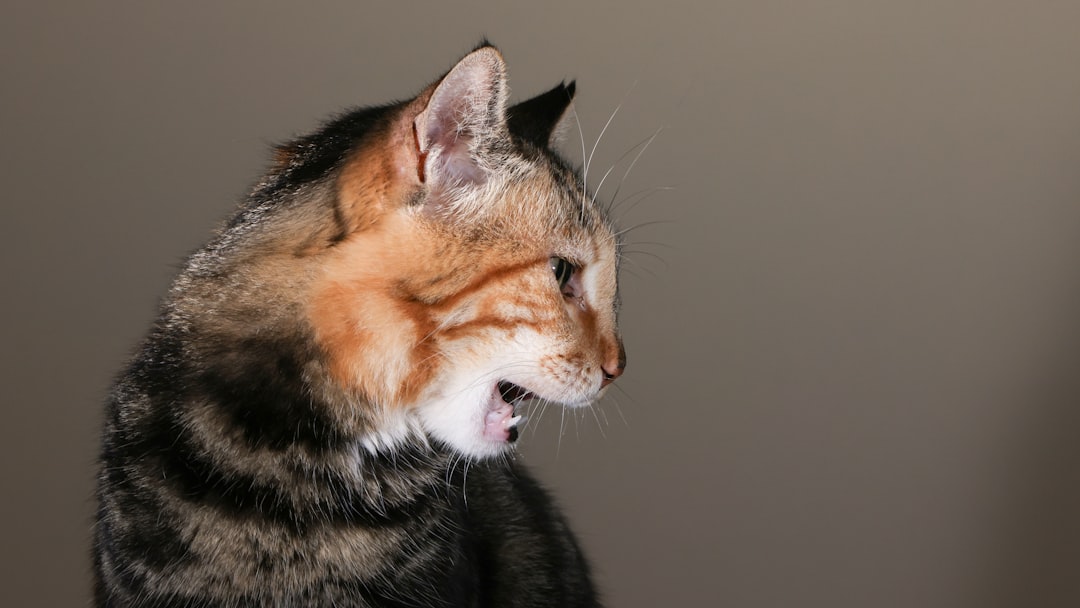
Key Takeaways
- Interpreting cat tail positions, ear movements, and eye signals
- Understanding different types of meows and their meanings
- Recognizing signs of contentment, stress, fear, and aggression
- How body language differs between confident and anxious cats
- Using body language knowledge to improve interactions and reduce stress
Cats are often described as mysterious or aloof, but they are actually incredibly expressive creatures. This comprehensive cat body language guide will help you decode the subtle messages your pet is sending every day, allowing you to build a deeper and more trusting relationship. While humans rely heavily on verbal speech, felines use a complex system of feline body language involving their tails, ears, eyes, and posture to convey their emotions. By learning to interpret these signals, you can move past the guesswork and understand exactly what your cat needs, whether it is a play session, a quiet nap, or a visit to the veterinarian.
Understanding Feline Body Language: The Role of Tails, Ears, and Eyes
The most expressive part of a cat is often its tail. Monitoring cat tail movements is one of the fastest ways to gauge a cat's current mood. According to the experts at PetMD, a tail held high and straight up usually indicates a confident, happy cat who is ready for interaction. If the tip of that upright tail has a tiny crook or "hook" in it, your cat is likely feeling particularly friendly and welcoming. Conversely, a tail tucked between the legs or wrapped tightly around the body suggests fear or extreme submissiveness.
A twitching or lashing tail is a clear warning sign. While a dog wags its tail to show excitement, a cat lashing its tail back and forth is often feeling agitated or overstimulated. If you see this movement during a petting session, it is best to stop immediately to avoid a potential nip or scratch. A "puffed up" tail, where the hair stands on end, is a sign that the cat feels threatened and is trying to look larger to ward off a predator or rival.
Ears and eyes also provide critical clues within the broader context of cat communication signals. A relaxed cat will have ears facing forward and slightly outward. If the ears start to swivel or twitch, the cat is alert and tracking a sound. When a cat’s ears are pinned flat against the head, it is a sign of intense fear or defensive aggression. This is often accompanied by dilated pupils. Interestingly, dilated pupils can mean two things: either the cat is in a low-light environment, or they are experiencing a surge of emotion such as fear, excitement, or aggression. On the other hand, constricted, slit-like pupils often indicate focus or potential offensive aggression. One of the most positive signals a cat can give is the "slow blink." When a cat meets your gaze and slowly closes its eyes, it is showing an immense amount of trust, effectively saying they feel safe in your presence.
Decoding Vocalizations and Cat Communication Signals
While physical posture is vital, vocalizations play a major role in how cats talk to their human companions. Interestingly, International Cat Care (iCatCare) notes that adult cats rarely meow at each other; the meow is a behavior primarily developed to communicate with humans. Not all meows are created equal. A short, high-pitched "mew" is generally a friendly greeting, while a series of mid-pitched meows might be a demand for food or attention. If the meow becomes low-pitched and drawn out, the cat may be expressing protest or unhappiness.
Purring is the most famous of feline sounds, and while it usually signifies contentment, it is not always a sign of a happy cat. Cats also purr to soothe themselves when they are in pain or feeling stressed. It is important to look at the rest of the cat's body - if they are purring while hunched over or hiding, it may be time to consult a professional regarding cat behavior or health.
Other sounds like chirping or trilling are typically "happy" sounds used by mother cats to call their kittens, which adult cats often use to greet their favorite humans. On the more serious side of the spectrum are hissing and growling. These are clear defensive signals. A hiss is a cat's way of saying "back off," usually triggered by fear. If a cat is growling, they are feeling threatened and may be prepared to strike. Recognizing these sounds as part of a cat body language guide helps you respect your pet’s boundaries before a situation escalates.
Recognizing Contentment, Fear, and Aggression in Cat Behavior
Understanding the nuances of cat behavior requires looking at the "whole cat" rather than just one body part. A truly content cat displays a relaxed posture. They may lie on their side with their paws tucked or even expose their belly. However, be cautious with the belly - while exposing it is a sign of trust, it is not always an invitation for a belly rub. For many cats, the belly is a vulnerable area, and touching it may trigger a defensive "bunny kick" or scratch.
Fear in cats can be subtle or overt. A fearful cat will often try to make themselves look as small as possible. They may crouch low to the ground, tuck their chin, and keep their tail close to their body. The ASPCA highlights that hiding is a primary coping mechanism for stressed or fearful cats. If your cat is suddenly spending more time under the bed or in the back of a closet, it is a significant indicator of stress or potential illness. If the cat cannot hide, they may resort to "piloerection," where their fur stands up to make them look more intimidating.
Aggression is often divided into offensive and defensive categories. An offensively aggressive cat will try to look larger and may move toward the "intruder" with stiff legs and a straight tail. A defensively aggressive cat is reacting out of fear and will likely be crouched, hissing, and ready to lash out if approached. By reading these signals early, you can provide the cat with the space they need to calm down, which is a vital part of cat care.
Comparing Confident and Anxious Postures: A Reading Cat Behavior Guide
Distinguishing between a confident cat and an anxious one is key to maintaining a peaceful home. A confident cat moves through the house with their tail held high and their head up. They are curious about new objects and people, and their body remains fluid and relaxed. When they sit, they might wrap their tail loosely around themselves or leave it extended. This confidence is often a reflection of a stable environment and proper cat nutrition, which supports overall well-being.
Anxious cats, however, exhibit much more tension. When reading cat behavior in an anxious feline, you will notice they often move in a "creeping" fashion, keeping their body low to the floor. Their ears may constantly scan the room, and they might startle at small noises. Anxious cats also engage in "displacement behaviors," such as sudden, intense grooming in response to a stressful event.
The Cornell Feline Health Center emphasizes that chronic anxiety can lead to long-term health issues, so identifying these body language markers early is crucial. An anxious cat may also exhibit changes in their eating habits or litter box usage. If you notice these shifts alongside tense body language, it is important to evaluate any recent changes in the home that could be causing distress. This cat body language guide serves as a diagnostic tool for owners to catch these mental health changes before they become permanent habits.
Applying Your Cat Body Language Guide to Improve Daily Interactions
Once you have mastered the basics of cat facial expressions and postures, you can use this knowledge to improve your daily interactions. For instance, if you notice your cat is staring at you with wide eyes and a twitching tail, they are likely in "hunting mode" and would benefit from a play session with a feather wand. If they are showing the "slow blink," you can return the gesture to reinforce your bond.
Using this cat body language guide also helps you know when to leave your cat alone. If a cat turns their back to you or begins grooming themselves while you are trying to interact, they are likely requesting some solo time. Respecting these boundaries prevents "petting induced aggression," where a cat becomes overstimulated and bites. Instead of forcing interaction, wait for the cat to approach you with a high tail and a friendly chirp.
Furthermore, understanding these signals can make visits to the vet or travel much less traumatic. By recognizing the very first signs of ear-flicking or lip-licking (a subtle sign of nausea or stress), you can use calming pheromones or provide a hiding spot in their carrier to help them feel more secure. This proactive approach to feline body language ensures your cat feels heard and understood, leading to a much more harmonious household.
Understanding cat communication is a lifelong journey. By paying close attention to the small details - the angle of an ear, the tension in a tail, or the depth of a purr - you can bridge the gap between species. The most important takeaway is to always look at the context of the behavior. A single signal might mean different things, but when you combine all the physical cues, you get a clear picture of your cat’s internal world. Respecting your cat’s "voice" through their body language is the ultimate way to show your love and ensure their happiness.
Frequently Asked Questions
What do different tail positions indicate in cats?
A tail held high indicates confidence, while a tucked tail suggests fear.
How can I recognize my cat's signs of stress?
Signs of stress include a lashing tail, pinned ears, and dilated pupils.
What does a slow blink from a cat mean?
A slow blink signifies trust and comfort toward their owner.
Why do cats meow at humans but not each other?
Meowing is a behavior evolved primarily for communicating with humans.
Related Articles
- Why Is My Cat So Vocal? Understanding Excessive Meowing
- Cat Separation Anxiety: Signs, Causes, and Treatment Solutions
- Understanding Cat Attachment: Why Your Cat Follows You Everywhere
- Why Do Cats Knead? Understanding This Common Feline Behavior
- Why Cats Act Like They're Starving: Understanding Feline Food Behavior
Sources
Reviewed by Melissa Schalles, LVT