
Why Cats Act Like They're Starving: Understanding Feline Food Behavior
Key Takeaways
- Evolutionary reasons why cats act like they're always starving
- Normal versus concerning food-seeking behaviors in cats
- How to distinguish between hunger, boredom, and attention-seeking
- Medical conditions that can cause increased appetite
- Strategies to manage excessive begging and food obsession
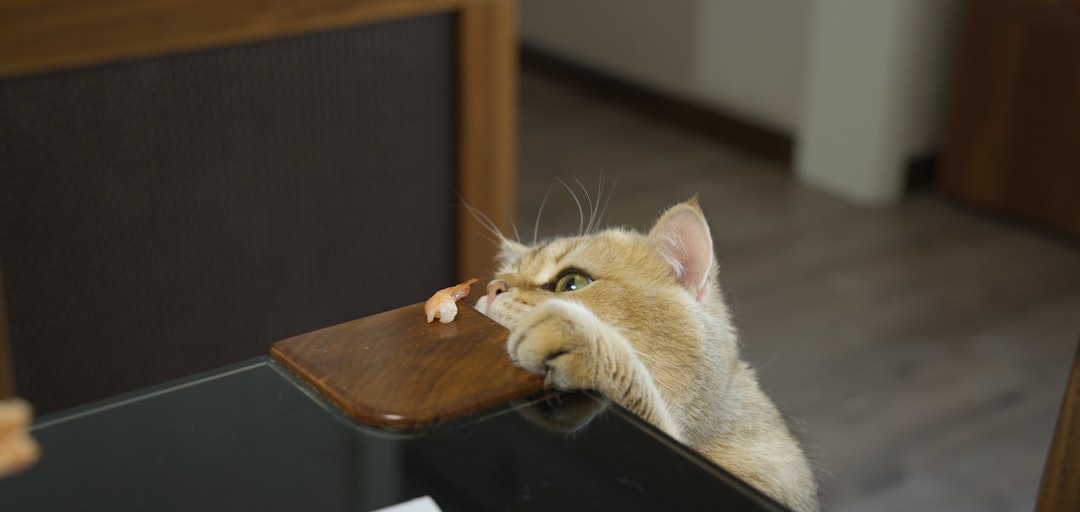
It is a scene familiar to almost every feline owner: you have just finished washing the breakfast dishes, yet your cat is already back at their bowl, looking up with wide, soulful eyes as if they haven't eaten in weeks. This persistent cat always hungry behavior can be both endearing and deeply frustrating, especially when it results in midnight wake-up calls or incessant meowing. While it might seem like your pet is simply being dramatic, there are complex biological, psychological, and sometimes medical reasons why a cat acts like they are perpetually starving. Understanding the nuances of your pet's relationship with food is a critical part of overall cat care and ensures that you are meeting both their nutritional and emotional needs.
The Evolutionary Roots of Feline Eating Behavior
To understand why your cat seems obsessed with their next meal, we must first look at their ancestors. Domestic cats are descended from the North African wildcat, a solitary hunter that survived by catching small prey throughout the day. Unlike pack animals that might take down a large herbivore and feast for days, wildcats rely on multiple small "successes"-usually rodents, birds, or insects-to meet their caloric requirements. This ancestral feline eating behavior means that cats are biologically "hardwired" to seek out food whenever the opportunity arises, regardless of whether they have recently eaten.
In the wild, a missed hunting opportunity could mean the difference between survival and starvation. According to the Cornell Feline Health Center, this "opportunistic feeding" strategy persists in our pampered house cats today. When your cat sees you walk toward the kitchen, their ancient instincts kick in, telling them that food is available and they must secure it now. This is not necessarily a sign of true hunger, but rather a deeply ingrained survival mechanism. Furthermore, because cats in the wild eat between 10 to 20 small meals a day, the modern practice of feeding one or two large meals can lead to a metabolic mismatch, leaving the cat feeling unsatisfied during the long gaps between feedings.
Analyzing Normal Versus Concerning Cat Behavior
Differentiating between a healthy appetite and a behavioral or medical problem is a key skill for any pet owner. Most cat behavior surrounding food is learned; if a cat discovers that a specific chirp or a gentle paw-tap results in a treat, they will repeat that action. However, it is important to observe the intensity of the behavior. A cat who occasionally wanders to their bowl or greets you at dinner time is likely exhibiting normal social behavior. Conversely, a cat food obsession that involves raiding the trash, stealing food off plates, or exhibiting aggression around the food bowl may indicate an underlying issue.
The ASPCA notes that "food seeking" becomes concerning when it interferes with the cat's quality of life or the owner's ability to live peacefully. If your cat is gaining an unhealthy amount of weight but still acts ravenous, or if they are losing weight despite an increased appetite, it is time to consult a professional. Monitoring your pet’s body condition score is just as important as monitoring their vocalizations. For more information on maintaining a healthy weight through diet, you can explore our guide on cat nutrition. Recognizing the baseline of your pet's personality will help you spot when their "hunger" has shifted from a quirk to a clinical symptom.
Distinguishing Between Hunger, Boredom, and Attention-Seeking
Often, what we interpret as a physical need for calories is actually a request for engagement. Because cats are highly intelligent and often under-stimulated in indoor environments, they may use food as a way to alleviate boredom. When a cat is bored, they look for "events" in their environment. In many households, the most exciting event is the human opening a can of food or shaking a bag of treats. This leads to the cat meowing for food not because their stomach is empty, but because they are craving the interaction and sensory stimulation that comes with feeding time.
Attention-seeking is another primary driver of cat always hungry behavior. If you have a habit of talking to, petting, or picking up your cat whenever they hang around their bowl, you are inadvertently reinforcing the behavior. The cat learns that the food bowl is the "hot spot" for human connection. To break this cycle, owners should try to separate affection from feeding. Instead of reaching for a treat when your cat begs, try initiating a five-minute play session with a feather wand or a laser pointer. This addresses the cat's need for stimulation without adding unnecessary calories to their diet, which is a vital part of proactive cat behavior management.
Medical Conditions That Cause Increased Appetite
While many cases of a cat acting starving are behavioral, several medical conditions can cause a clinical increase in appetite, known as polyphagia. If your cat’s food-seeking behavior has changed suddenly, a trip to the veterinarian is essential to rule out these common ailments:
- Hyperthyroidism: Common in middle-aged and senior cats, this condition involves an overactive thyroid gland that sends the metabolism into overdrive. These cats will often eat voraciously while simultaneously losing weight and appearing restless.
- Diabetes Mellitus: When a cat’s body cannot properly utilize glucose for energy, it signals the brain that it is starving, even if the cat is eating plenty of food. Increased thirst and urination usually accompany this cat feeding behavior.
- Gastrointestinal Malabsorption: Issues such as Inflammatory Bowel Disease (IBD) or certain intestinal cancers can prevent a cat from absorbing the nutrients in their food. This leads to a cat that is constantly hungry because their body is literally starved for nutrition despite a full stomach.
- Internal Parasites: Roundworms and tapeworms live in the digestive tract and consume the nutrients the cat is supposed to be receiving. This is particularly common in kittens or cats that have recently been outdoors.
The American Veterinary Medical Association (AVMA) emphasizes that any significant change in appetite should be evaluated by a vet. Blood work and fecal exams can quickly identify these issues, many of which are highly manageable with the right medication or therapeutic diet.
Strategies to Manage Excessive Begging and Food Obsession
If your veterinarian has ruled out medical issues, you can focus on environmental and behavioral modifications to curb the cat begging for food. The goal is to move away from a model where the human is the "vending machine" and toward a system that mimics natural hunting patterns.
One of the most effective tools is the use of puzzle feeders or "foraging toys." These devices require the cat to work for their kibble, providing mental stimulation and slowing down the rate of consumption. This taps into their predatory drive and helps satisfy the psychological aspect of feline eating behavior. Instead of dumping a pile of food into a bowl, hide small portions around the house or place them inside a rolling treat ball.
Consistency is also paramount. Establishing a strict feeding schedule helps the cat understand when food is-and is not-available. If you give in to meowing at 4:00 AM, you are teaching the cat that persistence pays off. For owners who struggle with this, automatic feeders can be a lifesaver. By removing the human from the equation, the cat stops associating the owner’s presence with the immediate arrival of food, significantly reducing the frequency of the cat meowing for food toward the owner. Additionally, ensure your cat is getting high-quality protein; low-quality fillers can leave a cat feeling physically empty shortly after eating. You can learn more about general feline health and wellness in our comprehensive section on cat care.
Final Thoughts on Managing Feline Hunger
Dealing with a cat that acts like they are perpetually starving requires a blend of patience, observation, and strategic planning. By understanding that their drive to eat is rooted in ancient survival instincts, you can view their begging with more empathy while still maintaining firm boundaries. Always prioritize a veterinary check-up to ensure that a medical condition isn't the culprit behind their increased appetite. Once health is confirmed, focus on enriching their environment and using tools like puzzle feeders to satisfy their natural hunting instincts. With a consistent routine and the right nutritional balance, you can help your cat feel satisfied and secure, turning mealtime back into a peaceful part of your daily life.
Frequently Asked Questions
Why does my cat always seem hungry?
Cats may act like they're starving due to their evolutionary hunting habits, which make them wired to seek food frequently.
How can I tell if my cat's begging is normal?
Normal begging behavior is usually innocent; however, persistent, obsessive behaviors could indicate boredom or underlying issues.
What medical conditions can cause increased appetite in cats?
Certain medical conditions like diabetes or hyperthyroidism can lead to increased appetite and should be evaluated by a vet.
How do I manage my cat's excessive begging?
Establish a feeding routine and use strategies like puzzle feeders to engage their interest without excessive begging.
Is my cat's food obsession a behavioral problem?
Food obsession can be a behavioral problem if it disrupts their daily life or leads to aggression over food.
Related Articles
- Cat Separation Anxiety: Signs, Causes, and Treatment Solutions
- Why Do Cats Knead? Understanding This Common Feline Behavior
- Why Is My Cat So Vocal? Understanding Excessive Meowing
- Understanding Cat Attachment: Why Your Cat Follows You Everywhere
- Cat Body Language: Understanding What Your Cat Is Really Telling You
Sources
Reviewed by Melissa Schalles, LVT