
Complete Cat Grooming Guide: Tools, Techniques, and Schedule
Key Takeaways
- Essential grooming tools and how to choose the right brushes
- Step-by-step brushing techniques for different coat types
- Safe nail trimming methods and frequency recommendations
- Managing matted fur and when to seek professional help
- Creating a stress-free grooming routine for anxious cats
Maintaining a pristine coat and healthy skin is a cornerstone of feline health, which is why following a comprehensive cat grooming guide is essential for every dedicated owner. While cats are famous for their self-cleaning abilities, they still require consistent human intervention to prevent painful matting, reduce hairballs, and monitor for underlying skin issues. By establishing a routine early, you not only improve your cat's physical well-being but also strengthen the emotional bond you share through physical touch and care.
Choosing the Right Cat Grooming Tools for Your Feline
The foundation of any successful grooming routine begins with having the right equipment on hand. Using the wrong brush can be ineffective at best and painful at worst, potentially leading to a cat that flees at the mere sight of a grooming kit. According to the AKC, selecting cat grooming tools based specifically on your pet's coat length and texture is the most important first step.
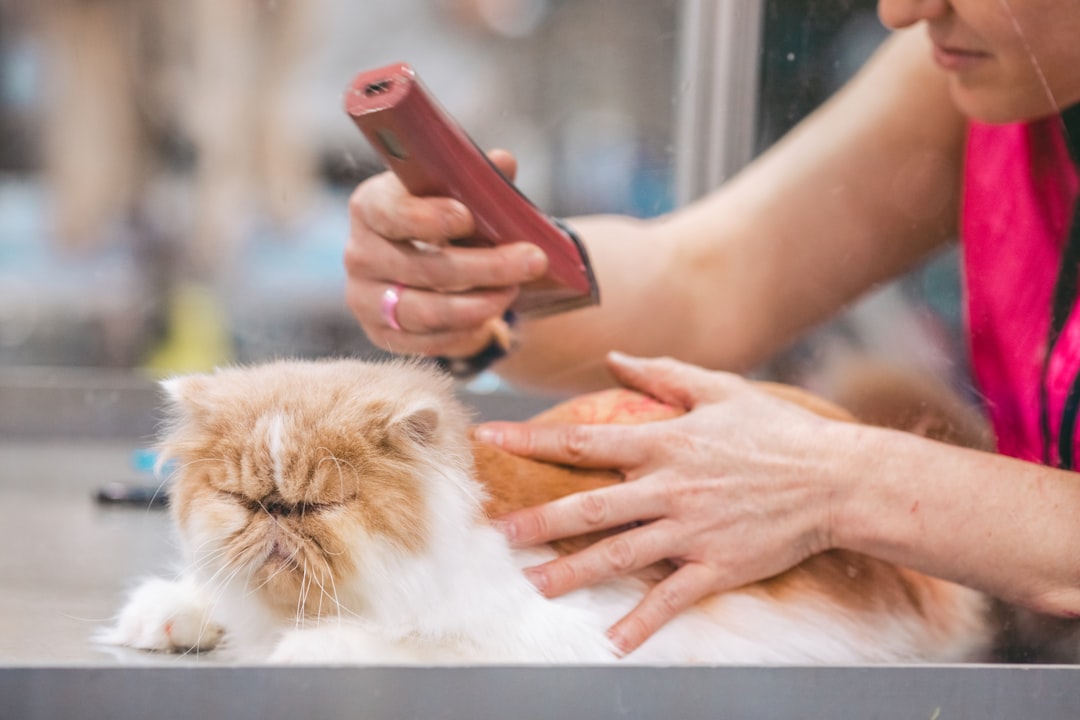
For short-haired breeds, a fine-toothed flea comb and a soft bristle brush or a rubber grooming mitt are often sufficient. These tools work to lift dead hair and massage the skin, stimulating the production of natural oils that keep the coat shiny. On the other hand, long haired cat care requires a more robust toolkit. If you have a Persian or a Maine Coon, you will likely need a stainless steel wide-toothed comb to reach through the thick undercoat and a slicker brush to remove loose fur before it has the chance to form tangles.
Beyond brushes, you should also invest in a high-quality pair of feline-specific nail clippers. Scissor-style clippers are generally easier for beginners to handle than guillotine-style ones, as they provide better visibility of the nail. Additionally, keep a small container of styptic powder nearby. Even the most experienced owners can occasionally nick the "quick" (the blood vessel inside the nail), and styptic powder stops bleeding instantly, preventing a minor accident from becoming a stressful ordeal.
How to Groom a Cat: Brushing Techniques for Every Coat
Understanding how to groom a cat effectively involves more than just dragging a brush through their fur; it requires a systematic approach to ensure you aren't missing hidden mats or causing discomfort. Start by observing your cat's body language. If they are relaxed and purring, it is an ideal time to begin. If they are agitated or mid-play, it is better to wait until they are in a calmer state.
For short-haired cats, brushing once or twice a week is usually enough to keep shedding under control. Start at the head and work your way toward the tail, following the natural direction of hair growth. Use the rubber mitt or bristle brush to sweep away loose fur, paying close attention to the areas where the legs meet the body, as these are common friction points.
When it comes to long haired cat care, the frequency must increase to daily or every other day sessions. Use the wide-toothed comb first to gently tease out any small knots. These cats often have a dense undercoat that can become "felted" against the skin if neglected. One of the best cat brushing tips for long-haired breeds is to work in sections. Partition the fur and comb from the root upward to ensure you are reaching the skin level where mats often begin. If you encounter a knot, do not pull. Instead, hold the fur between the knot and the skin to prevent tugging and gently pick at the knot with the edge of the comb until it separates.
According to the Cornell Feline Health Center, regular brushing sessions are also the perfect time to check for lumps, bumps, or parasites like fleas and ticks. This proactive approach to hygiene is a vital component of overall cat care, allowing you to spot health changes before they become serious problems.
Cat Nail Trimming: A Safe Approach to Paw Maintenance
Nail maintenance is perhaps the most daunting part of grooming for many owners, yet cat nail trimming is essential for indoor cats who may not wear down their claws naturally. Overgrown claws can curl back and grow into the paw pad, causing intense pain and infection. Most veterinarians recommend checking your cat's nails every two to three weeks.
To begin, create a "paw-positive" environment. Gently massage your cat's paws during quiet times so they become accustomed to having their feet handled. When it is time to trim, find a well-lit area and hold your cat firmly but gently. Press down on the top of the paw to extend the claw. You will see a pinkish area inside the translucent nail; this is the quick. Avoid cutting near the quick at all costs, as it contains nerves and blood vessels. Aim to trim just the sharp, hooked tip of the nail.
The ASPCA suggests that if your cat becomes wiggly or stressed, you should stop after one or two nails and try again later. There is no rule saying you must finish all four paws in one sitting. Providing a high-value treat after each successful clip can help reinforce that grooming is a rewarding experience. If you find your cat's behavior makes trimming impossible, it may be worth consulting a specialist in cat behavior to learn desensitization techniques.
Essential Cat Care: Managing Matts and Tangles
Despite our best efforts, mats can sometimes form, particularly in older cats who may struggle with self-grooming due to arthritis or in cats with very fine, long fur. Dealing with mats is a delicate part of cat care because a cat's skin is incredibly thin and easily torn. Never use kitchen scissors to cut out a mat, as it is far too easy to accidentally slice the skin.
If you find a mat, try to gently pull it apart with your fingers first. Applying a small amount of feline-safe detangling spray or a bit of cornstarch can help the hair fibers slide apart more easily. Use a mat splitter or a blunt-nosed safety clipper if the mat is stubborn. Work slowly, and if the mat is tight against the skin or covers a large area, do not attempt to remove it yourself.
International Cat Care (iCatCare) advises that severe matting is a welfare issue and often requires professional intervention. A professional groomer or a veterinary technician has the tools, such as specialized electric clippers, to safely remove mats without injuring the cat. If your cat's coat has deteriorated significantly, it might also be a sign to re-evaluate their internal health, such as ensuring they are receiving proper cat nutrition to support skin and coat health.
It is also important to pay close attention to any noticeable decline in your cat's own grooming habits. If your cat has stopped grooming themselves as frequently, appears unkempt, or their coat quality has visibly worsened, please seek the care of a veterinary professional as soon as possible. A reduction in self-grooming can be an indicator of an underlying medical condition, such as pain, dental disease, obesity, or other systemic illness, and should not be overlooked.
Creating a Stress-Free Grooming Routine for Anxious Cats
Not every cat enjoys being groomed, and for some, the sight of a brush can trigger a "fight or flight" response. Transforming these sessions into a stress-free routine takes patience and time. The goal is to keep the sessions short-sometimes only 30 seconds to start-and always end on a positive note.
Start by leaving your grooming tools out in the living area where your cat can sniff and investigate them. Pair the presence of the tools with treats or praise. When you begin brushing, start with the areas the cat enjoys being touched most, such as the chin or the cheeks. Gradually move toward more sensitive areas like the belly or the hind legs as your cat builds trust.
For particularly anxious felines, pheromone sprays can be used on the grooming towel or in the room to create a sense of calm. You might also consider introducing a lick mat spread with a cat-safe treat, such as a small amount of plain pureed pumpkin or a species-appropriate wet food. Giving your cat something enjoyable to focus on during grooming sessions can create a positive association and help keep them still and relaxed. Additionally, consider the environment: a quiet room away from loud noises or other pets will help your cat feel more secure. This slow and steady approach is similar to the patience required in dog training, where positive reinforcement is the key to success. Remember that grooming is not just about aesthetics; it is a vital part of maintaining your cat's health through skin stimulation and the removal of debris.
Establishing a Long-Term Grooming Schedule
Consistency is the most important element of this cat grooming guide. A regular schedule prevents small issues from becoming painful problems. For short-haired cats, a quick five-minute brush-through twice a week is usually sufficient. Long-haired cats should ideally be brushed daily to maintain a tangle-free coat. Nail trims should occur every 2-3 weeks, and a full "ear-to-tail" inspection should be done once a month to look for any hidden issues.
By integrating these practices into your life, you are providing your cat with the highest level of care. A well-groomed cat is more comfortable, has fewer digestive issues related to hairballs, and lives a more dignified life. Start today by choosing the right tools and taking the first step toward a smoother, shinier future for your feline companion.
Frequently Asked Questions
What tools do I need for cat grooming?
You need brushes, nail clippers, and possibly combs based on your cat's coat.
How often should I brush my cat?
Short-haired cats can be brushed once or twice a week; long-haired cats should be brushed daily.
How can I handle my cat if it feels anxious during grooming?
Create a calm environment and check their body language to ensure they feel comfortable.
Sources
Reviewed by Melissa Schalles, LVT